Homeowners across the Bay Area face unique climate patterns that shape roof choices, material durability, and long-term property value considerations. Coastal characteristics demand roofing systems that balance resilience and visual harmony with surroundings. A clear understanding of roofing materials for Bay Area homes helps property owners make informed decisions that protect structures while enhancing curb appeal and market confidence.
Roof selection involves more than aesthetics, as each material responds differently to temperature shifts and regional environmental stress factors. Many homeowners seek options that combine durability with energy performance while maintaining architectural consistency with neighborhood styles and regulations.
Asphalt Shingles and Regional Suitability
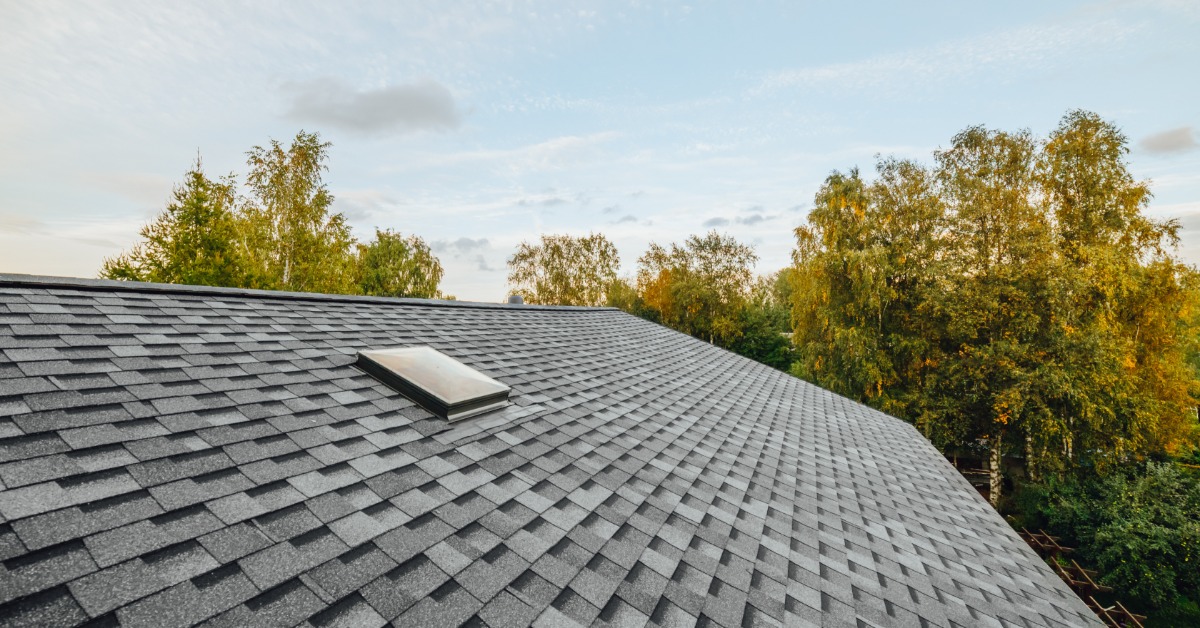
Asphalt shingles remain popular due to affordability, accessibility, and ease of installation across diverse residential neighborhoods within the Bay Area region. They perform well under moderate climate conditions and offer acceptable protection against rain and occasional temperature variation throughout seasons. Homeowners often select asphalt shingles for projects that require cost efficiency without sacrificing reasonable durability and visual consistency across suburban housing developments.
However, asphalt shingles may degrade faster under prolonged sun exposure and salt air present near coastal zones within the Bay Area. Their lifespan often depends on maintenance practices and installation quality, as improper placement can reduce resistance against moisture intrusion and wind uplift forces. Despite limitations, asphalt shingles remain a practical choice for many homeowners who prioritize budget-friendly solutions with acceptable performance under standard environmental conditions.
Clay Tile Performance in Coastal Environments
Clay tiles provide excellent durability and resistance against salt exposure, making them well-suited for coastal communities throughout the Bay Area region. Their natural composition supports long lifespans and maintains structural integrity despite moisture and moderate seismic movement over extended periods. Many homeowners appreciate clay tiles for their distinctive appearance that complements Mediterranean and Spanish architectural styles common in several neighborhoods.
The weight of clay tiles requires reinforced structural support, as standard roof framing may not accommodate additional load without proper engineering assessment. Installation demands skilled labor and precise alignment to ensure consistent coverage and water-shedding performance during heavy rain events. While costs exceed those of asphalt shingles, clay tiles offer lasting value through longevity, reduced maintenance, and strong resistance against environmental wear.
Metal Roofing and Energy Efficiency
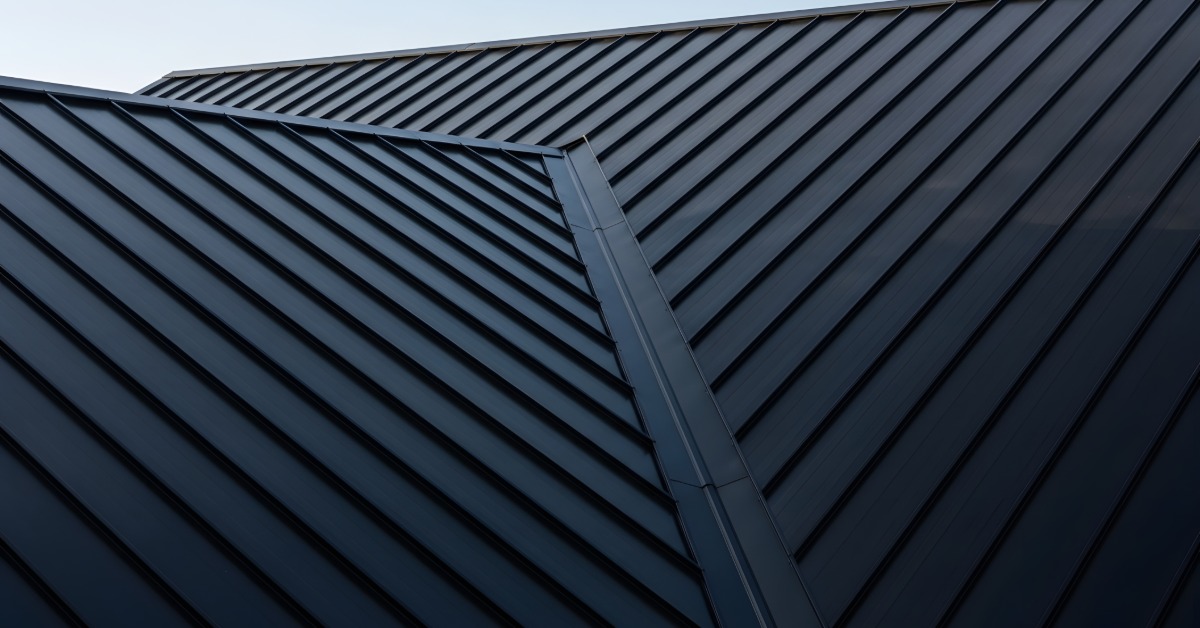
Metal roofing systems gain attention due to reflective properties that reduce heat absorption and improve indoor temperature regulation across Bay Area residences. These materials reflect solar radiation effectively, which supports energy efficiency goals and reduces reliance on mechanical cooling systems during warmer periods. Homeowners often consider metal roofs for sustainability objectives, as many options include recycled content and support environmental responsibility.
Durability stands as a major advantage, as metal roofs resist corrosion, fire exposure, and wind damage under varied climate conditions present in the region. Proper installation ensures secure fastening and noise reduction, as modern designs incorporate insulation layers that minimize sound during rain or external disturbances. Metal roofing offers a balance between performance and aesthetic flexibility across contemporary and traditional home designs.
Wood Shakes and Aesthetic Appeal
Wood shakes create a natural appearance that blends well with surrounding landscapes, especially in areas with dense vegetation and traditional architectural themes. Their texture and variation provide visual depth that enhances curb appeal while maintaining a warm, organic character that many homeowners find desirable. Wood shakes suit properties that prioritize aesthetics and connection with natural surroundings over purely modern or industrial design preferences.
Fire resistance concerns require treatment and compliance with regional safety regulations, especially in areas prone to wildfire risk across the Bay Area. Maintenance involves periodic inspection and treatment to prevent moisture damage and surface degradation over time. While wood shakes offer unique visual appeal, homeowners must weigh maintenance demands and regulatory considerations before selecting this material for roofing projects.
Slate Roofing and Value
Slate roofing stands as one of the most durable options available, with lifespans that extend several decades when properly installed and maintained. Its natural stone composition resists fire, moisture, and temperature fluctuations, making it highly reliable under varied environmental conditions across the Bay Area. Many historic and high-value homes utilize slate roofing due to its timeless appearance and exceptional structural performance.
Installation complexity and weight requirements necessitate specialized expertise and structural reinforcement to support the material effectively over long periods. Costs remain significantly higher compared to other roofing options, which may limit accessibility for some homeowners seeking budget-conscious solutions. Despite these factors, slate roofing delivers unmatched longevity and premium aesthetic appeal that enhances overall property value and architectural distinction.
Synthetic Roofing Materials and Innovation
Synthetic roofing materials replicate the appearance of natural options such as slate or wood while offering enhanced durability and reduced maintenance requirements. These materials often consist of composite blends that resist moisture, impact, and ultraviolet exposure more effectively than traditional counterparts under similar conditions. Homeowners benefit from lighter-weight structures that reduce strain on framing systems while maintaining appealing visual characteristics across various architectural styles.
Advancements in manufacturing processes allow synthetic materials to achieve consistent quality and performance, addressing limitations associated with natural material variability and degradation. Installation typically requires less structural modification, which simplifies project timelines and reduces labor complexity compared to heavier traditional roofing systems. Synthetic roofing presents a modern solution that balances aesthetics and cost efficiency for many Bay Area homeowners.
Flat Roofing Systems for Modern Homes
Flat roofing systems appear frequently in modern and contemporary home designs throughout urban areas within the Bay Area region. These systems utilize membranes or coatings that provide waterproof protection while supporting clean architectural lines and efficient use of rooftop space. Homeowners often integrate solar panels or rooftop gardens with flat roofing designs, enhancing functionality and environmental performance.
Proper drainage design remains essential, as water accumulation can compromise structural integrity and lead to long-term damage if not addressed effectively. Materials such as modified bitumen or thermoplastic membranes offer reliable protection when installed with precision and maintained regularly. Flat roofing systems suit modern homes that prioritize efficiency, sustainability, and minimalist design elements across residential developments.
Professional Installation and Quality Assurance
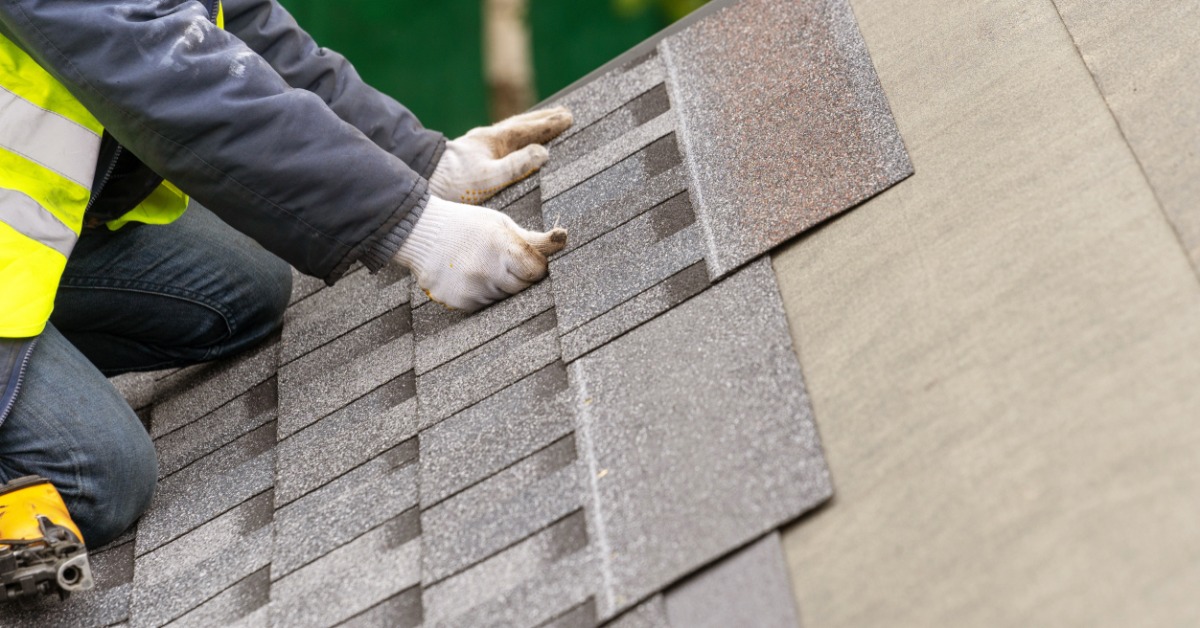
Roofing performance depends heavily on installation quality, as even the most durable materials can fail without proper placement and secure fastening methods. Skilled professionals ensure correct alignment, sealing, and structural integration that support durability and resistance against environmental stress factors. Homeowners benefit from expert knowledge that addresses region-specific challenges such as coastal exposure, seismic conditions, and regulatory compliance.
Working with professional Bay Area remodeling contractors will ensure proper installation standards, material compatibility, and adherence to local building codes across residential roofing projects. Their expertise supports efficient project execution and reduces risks associated with improper techniques or overlooked structural considerations during installation processes. Professional involvement enhances overall roofing performance and extends material lifespan through careful planning and precise execution.
Selecting the right roofing material for Bay Area homes requires careful evaluation of climate conditions, structural needs, and performance expectations. Each material offers distinct advantages and limitations that influence durability and overall property value across diverse residential environments.
Homeowners who understand these factors can make informed decisions that align with functional requirements and aesthetic preferences. A well-chosen roofing system enhances protection, energy efficiency, and visual appeal while supporting long-term investment value within the competitive Bay Area housing market.