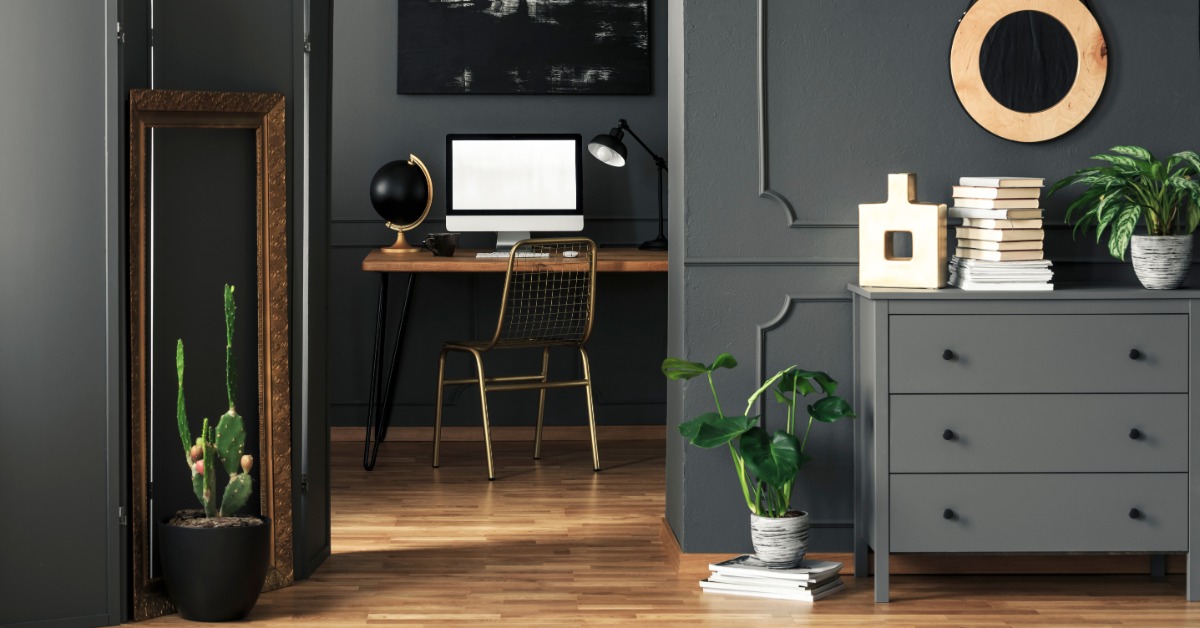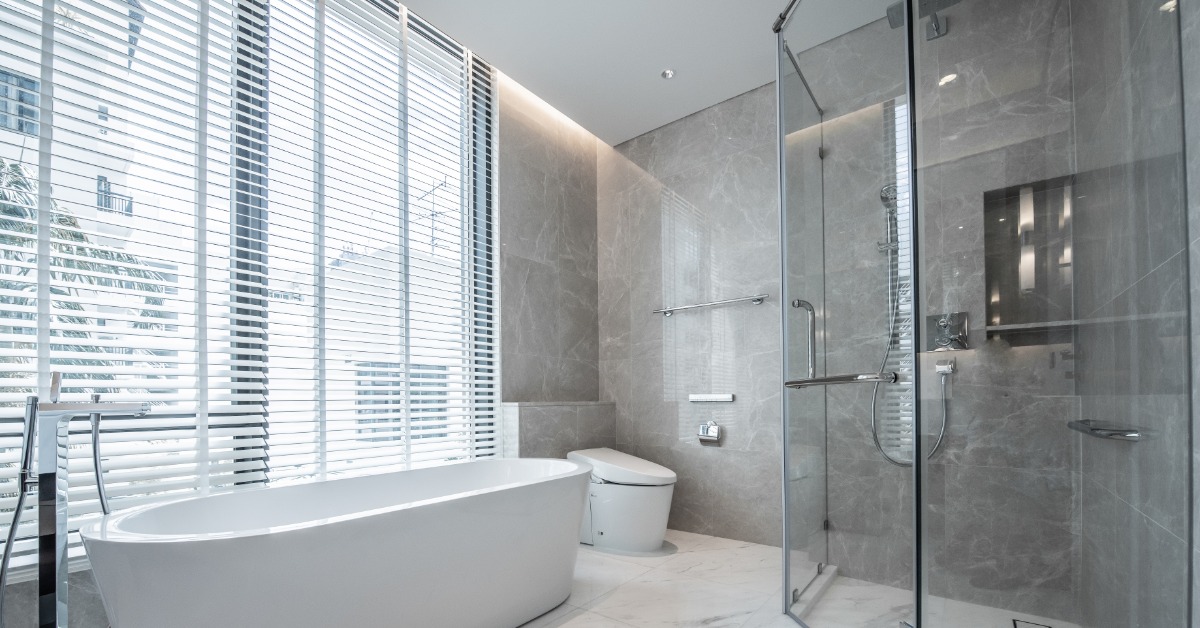

A home remodel offers a wonderful chance to refresh your personal space with new vitality. Thoughtful color selections stand as a cornerstone of successful interior design and home renewal. The colors you choose influence the mood, the perception, and the overall harmony in a home. A cohesive color scheme unifies separate rooms into a single, flowing aesthetic experience.
This process requires careful thought, strategic choices, and a clear vision for the result. With these remodeling tips for a cohesive color scheme, you can create a beautiful, unified color palette throughout your home.
Develop a Master Color Palette
Establish a master color palette to use throughout the entire home for consistency. This palette should include a main neutral, a secondary color, and several accent shades. Your master palette ensures that every room in your home feels connected.
Consider your home’s permanent fixtures like floors, countertops, and large furniture pieces first. These elements have established colors that your new palette must complement for a unified feel. Choose shades that harmonize with these existing components to create a seamless visual transition.
Utilize the 60-30-10 Rule
Apply the 60-30-10 rule to achieve a balanced, professional distribution of your chosen colors. Your dominant color should cover approximately 60% of a room, often on the walls. This creates a strong foundation and sets the primary mood of the space.
Your secondary color will occupy 30% of the room, typically on furniture or curtains. The final 10% is for your accent color, used on pillows or decor. This simple formula provides a reliable structure for color balance in every single room.
Select Your Main Neutral Color
Choose a versatile neutral color as the main backdrop for your overall scheme. Shades like gray, beige, or white provide a calm and flexible foundation for other hues. This main neutral will appear in most rooms, which creates a strong sense of continuity.
Test large swatches of your potential neutral on different walls throughout your entire house. Observe how natural and artificial light sources affect the color at various times of day. This helps you select a neutral that looks good in every room and under all conditions.
Weave in a Unifying Color
Select one consistent color to thread through every room for a sense of connection. This could be a specific shade of blue, green, or even a warm metallic tone. This subtle repetition creates a visual link that connects disparate spaces within your home.
You can use this unifying color in small doses for a delicate yet effective result. It could appear on a vase in one room and a piece of art elsewhere. The presence of this color, no matter how small, reinforces the home’s cohesive design.
Consider a Monochromatic Approach
A monochromatic scheme uses different tones, shades, and tints of a single chosen hue. This creates a sophisticated, elegant, and very serene atmosphere within your personal space. The subtle variations add depth and interest without the risk of colors clashing.
To execute this well, select a base color and then find its lighter and darker versions. Use these variations across walls, furniture, and accessories to build a layered, textured look. This method offers a simple yet powerful way to achieve true color harmony in your home.
Create Flow With Adjacent Rooms
Plan your color choices so adjacent rooms flow smoothly into one another without abrupt shifts. When you stand in one room, the view into the next should feel harmonious. This creates an open and expansive feeling, even in a smaller, more compact home.
Use colors from the same family or with similar undertones for a gentle visual transition. A light blue room can open into a slightly darker navy-accented space. This thoughtful placement ensures that your entire home feels like one unified, complete design.
Vary the Color Intensity
Vary the intensity of your palette colors from one room to the next for interest. You can use bolder, more saturated versions of your colors in a formal dining room. Then, use softer, more muted tones in a bedroom to promote rest and tranquility.
This technique allows each room to have its own unique personality while still remaining connected. It adds a dynamic quality to your home’s design and prevents a monotonous appearance. Your home will feel unified and full of individual character and distinct charm.
Use a Color Wheel
A color wheel is a classic tool that helps you understand color relationships with ease. It shows you complementary, analogous, and triadic color schemes at a quick, simple glance. This knowledge empowers you to make confident, informed color-combination decisions for your home.
Analogous schemes use colors next to each other on the wheel for a serene look. Complementary schemes use colors that contrast for a high-contrast, energetic feel that pops. Refer to the color wheel to explore options and find combinations that suit your taste.
Hiring Professional Help
Working with a professional home renovation service is the best way to ensure your design vision is flawlessly executed. Professionals bring expertise, creativity, and a trained eye to every detail, from selecting the perfect color palette to integrating diverse textures flawlessly.
They can help you avoid costly mistakes, maximize your space, and recommend materials or techniques that suit your lifestyle and complement your aesthetic preferences. Partnering with professionals takes the stress out of the process, leaving you with a stunning, polished result that feels like home.
Incorporate Texture for Depth
One of the best remodeling tips for a cohesive color scheme is to use different textures to add depth and interest to the design. A single color can look completely different on a smooth wall versus a velvet pillow. Texture prevents a monochromatic or limited palette from ever feeling flat or boring.
Combine various materials such as wood, metal, wool, and linen within your color framework. These textural layers create a rich, inviting, and visually complex environment. The interplay of texture and color elevates your home design to a professional level.
A cohesive color scheme transforms your house into a unified, intentional space that enhances daily living. With a master palette, strategic color distribution, and attention to flow between rooms, your remodeled home will feel both harmonious and distinctly yours. Remember that color decisions don’t need to be permanent—start with small changes like throw pillows or accent walls to test your palette before committing to larger investments. As your style evolves, your color scheme can adapt through simple updates to accessories and decor. Most importantly, trust your instincts and choose colors that genuinely resonate with you, as a home reflecting your authentic preferences will always feel comfortable and inviting.