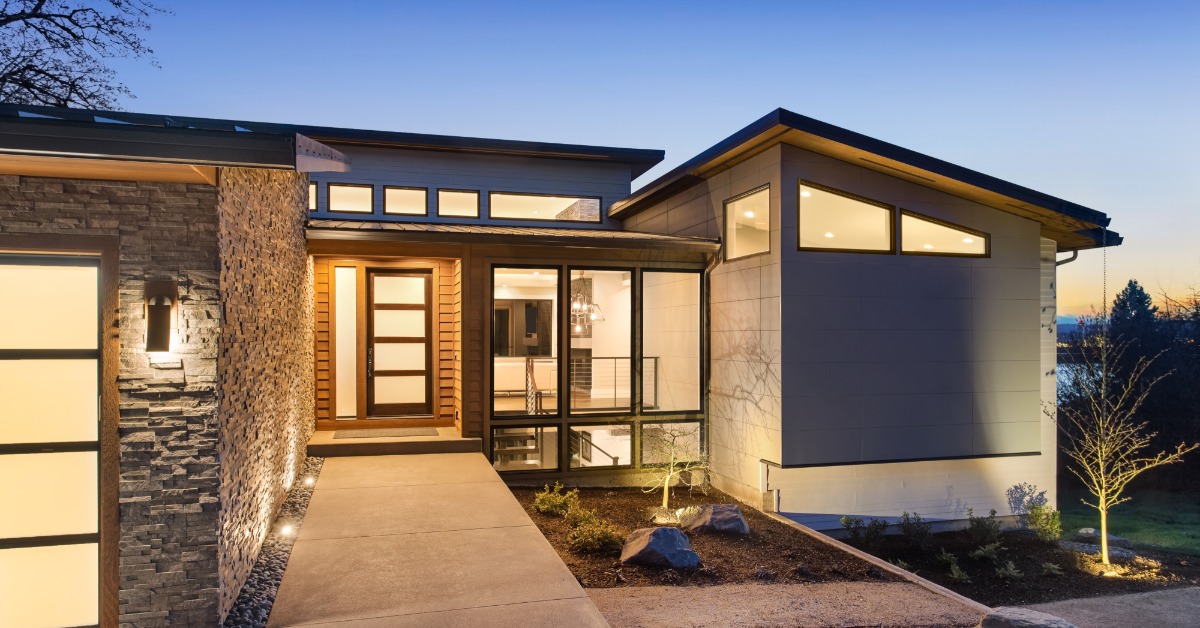
Modern and traditional home design reflect different values, aesthetics, and lifestyles, shaping how people experience functionality daily. Each approach presents distinct visual language and spatial organization, influencing how spaces evolve as trends shift across generations.
Homeowners often face decisions between sleek minimalism and rich historical detail, weighing personal taste against longevity and future adaptability considerations carefully. While trends fluctuate across decades, foundational design choices impact resale value, maintenance demands, and emotional satisfaction within a home environment. Understanding how modern and traditional home styles age requires careful evaluation of different factors across changing lifestyle needs and preferences.
Aesthetic Foundations
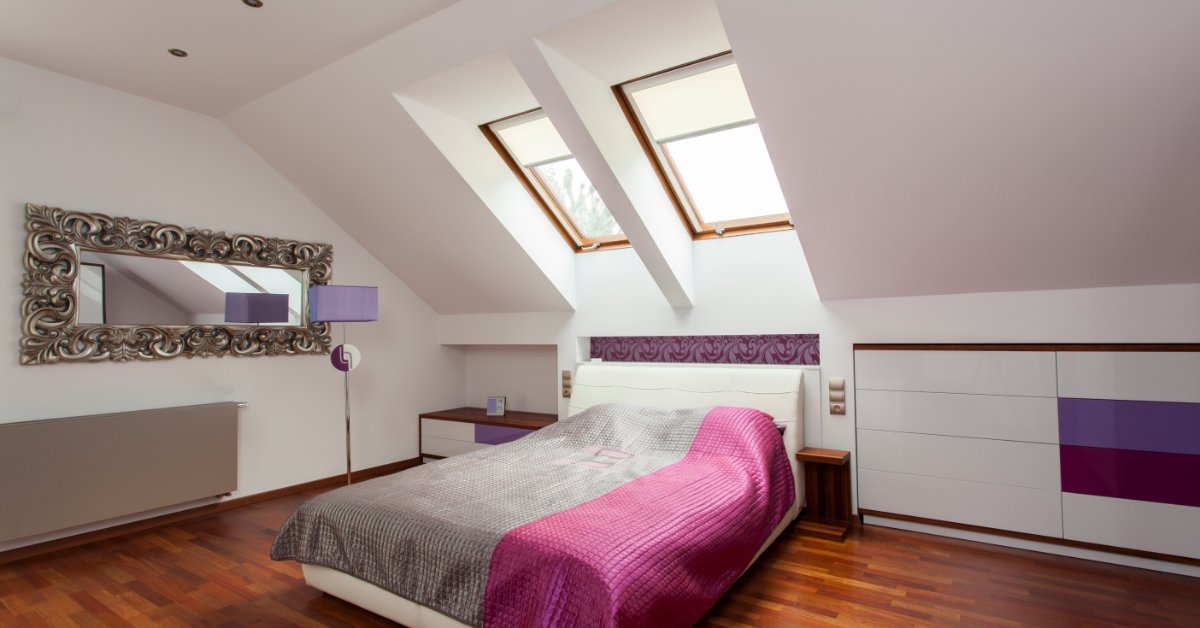
Modern design emphasizes simplicity, clean lines, and open spaces, favoring neutral palettes and minimal ornamentation across interior and exterior architectural expressions. This approach creates visual clarity and emphasizes function, often reducing distractions while highlighting structural elements and intentional spatial composition within homes. Over time, simplicity can remain appealing, though some may perceive stark environments as lacking warmth or personality without thoughtful customization and layering.
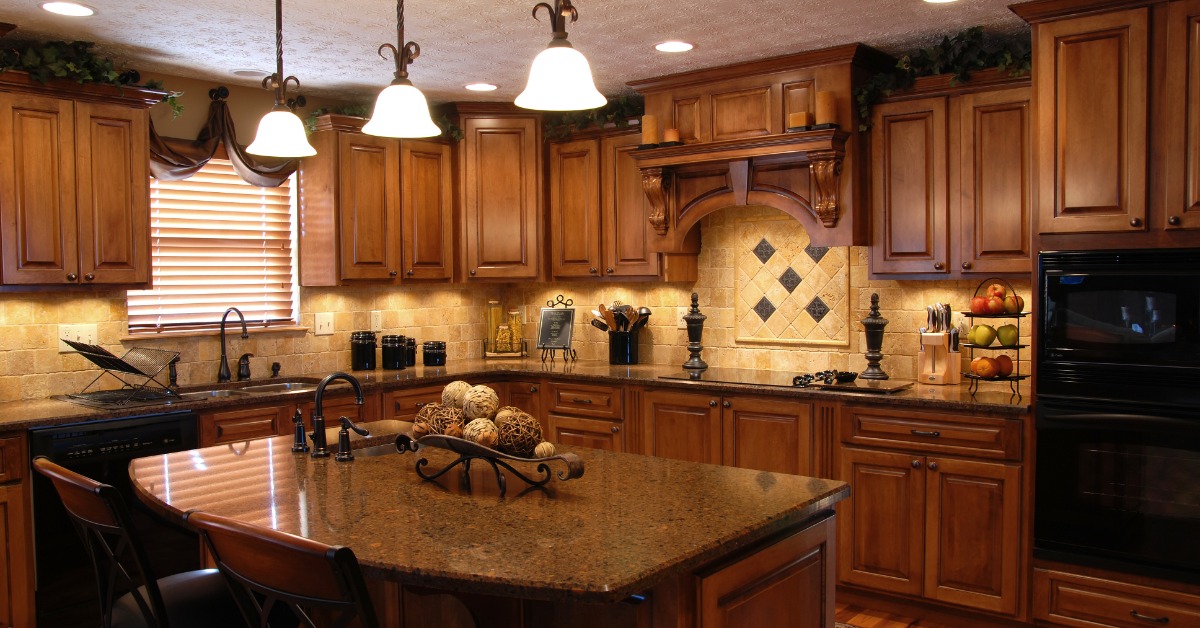
Traditional design draws inspiration from historical styles, incorporating decorative details, symmetry, and rich textures that convey a sense of heritage and continuity. These interiors often feel inviting due to layered materials and familiar forms that evoke cultural memory and craftsmanship traditions. Such richness can age gracefully, though excessive ornamentation may appear outdated if not balanced with evolving lifestyle preferences and functional needs.
Material Durability
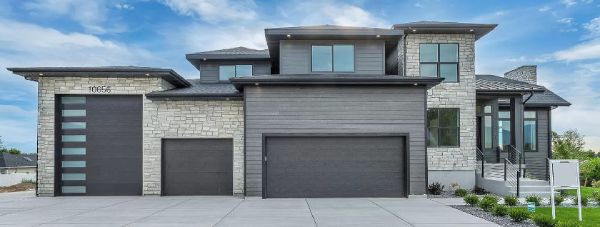
Modern homes frequently use industrial materials such as concrete, steel, and glass, emphasizing a sleek contemporary aesthetic throughout construction. These materials resist wear effectively, though large glass surfaces may require maintenance and can show environmental impact over extended periods. When maintained properly, these materials preserve structural integrity, though aesthetic appeal may depend on evolving tastes toward minimal or expressive environments.
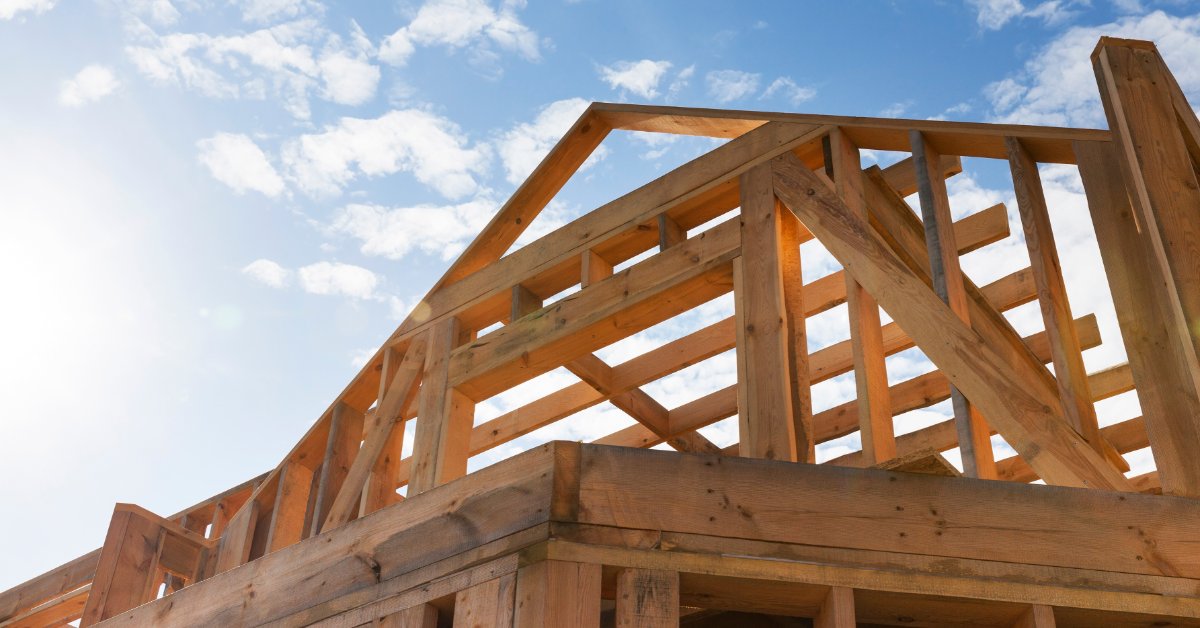
Traditional homes rely on wood, stone, and brick, materials known for longevity and the ability to develop character through natural aging processes. These elements often gain visual depth over time, with patina enhancing authenticity and reinforcing a sense of permanence within the home. However, maintenance demands can increase, especially with wood elements that require protection against moisture and environmental exposure.
Adaptability to Trends
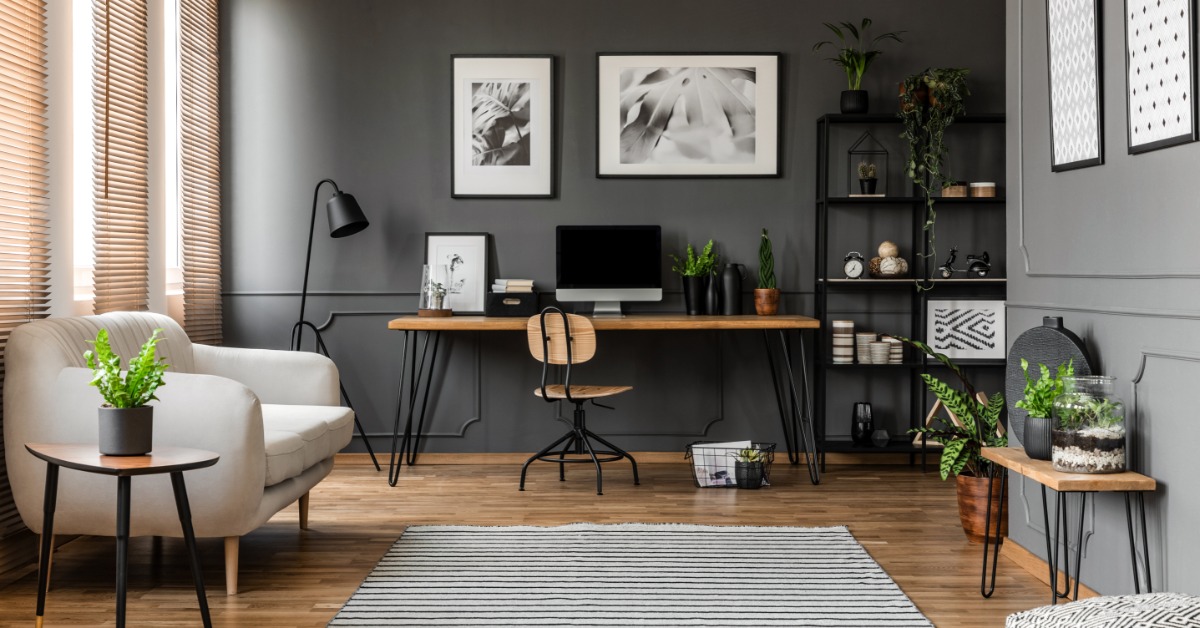
Modern design often adapts quickly to emerging trends due to its flexible foundation, allowing updates through furniture, color accents, and technology integration. This adaptability helps maintain relevance, though constant updates may be necessary to prevent spaces from appearing dated as minimalism evolves. Flexibility in layout and finishes supports evolving lifestyles, though excessive trend adoption may reduce the sense of timeless identity within a home.
Traditional design tends to resist rapid trend changes, maintaining a consistent visual language that reflects established historical influences and enduring aesthetic principles. This consistency supports long-lasting appeal, though certain decorative elements may feel outdated if not refreshed thoughtfully over time. Careful updates can preserve character while introducing modern conveniences, ensuring a balance between heritage and contemporary functionality within living spaces.
Emotional Appeal
Modern interiors often evoke calm and order, appealing to those who value simplicity, clarity, and a sense of spaciousness within their living environment. This emotional response can remain stable over time, though some individuals may desire additional warmth or personalization as preferences evolve. Strategic use of textures and accents can enhance emotional connection, ensuring spaces feel inviting while maintaining modern aesthetic principles.
Traditional interiors often create warmth and familiarity, drawing on historical references that resonate emotionally with many homeowners across different cultural backgrounds. This sense of comfort can endure, though excessive formality may feel restrictive if lifestyle preferences shift toward more casual environments. Balancing tradition with subtle modern updates can sustain emotional relevance while preserving the character that defines traditional design approaches.
Resale Value Considerations
Modern homes often attract buyers seeking contemporary aesthetics and efficient layouts, supporting strong resale potential within markets that favor updated design and technology integration. However, extreme minimalism may limit appeal if preferences shift toward more expressive or personalized interiors over time. Balanced modern design tends to perform best, combining clean lines with warmth and adaptability that appeal to a broad range of potential buyers.
Traditional homes often maintain consistent resale value due to enduring appeal and recognizable design elements that resonate across generations and diverse buyer preferences. Buyers may appreciate craftsmanship and character, though outdated features may require updates to meet modern expectations for convenience and efficiency. Thoughtful renovation can enhance value, ensuring traditional homes remain competitive within evolving real estate markets and changing buyer priorities.
Cultural Relevance
Modern design reflects contemporary values, emphasizing efficiency, sustainability, and innovation, aligning with evolving societal priorities and technological advancements within residential architecture. This relevance supports continued appeal, though rapid cultural shifts may influence preferences toward new design expressions over time. Adaptability within modern design allows integration of emerging ideas, ensuring spaces remain aligned with cultural expectations and environmental considerations.
Traditional design connects to historical narratives, preserving cultural identity and architectural heritage through recognizable forms and decorative elements within residential environments. This connection fosters appreciation and continuity, though some elements may require reinterpretation to align with current lifestyle expectations and functional needs.
Renovation Potential
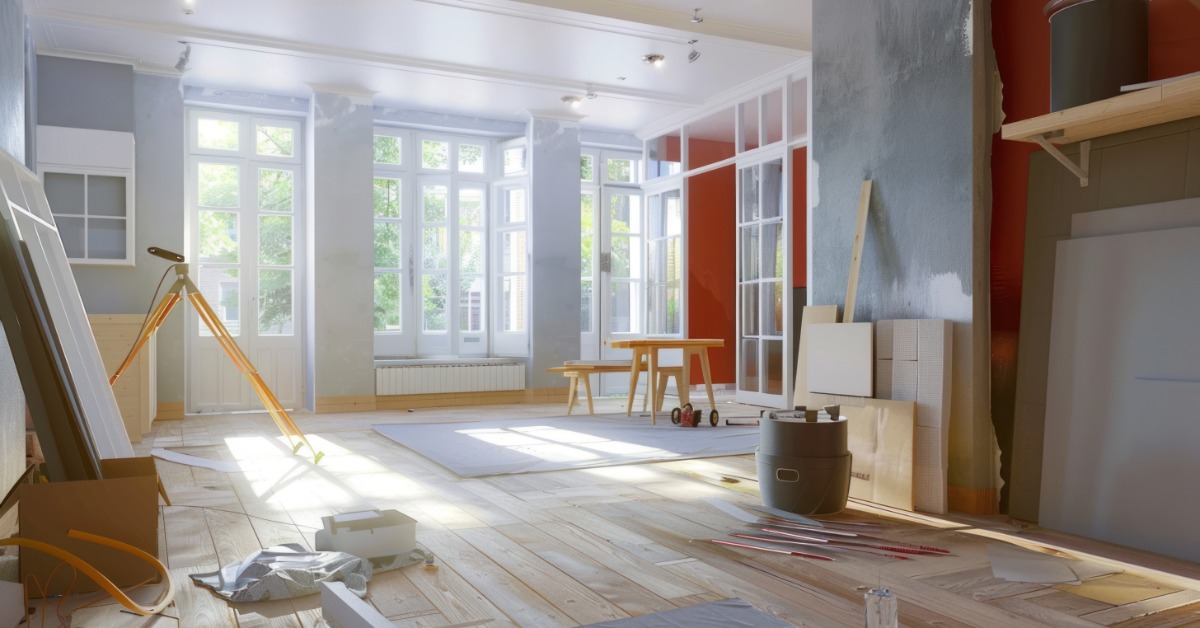
Modern homes often allow straightforward renovation due to simpler structures and flexible layouts, enabling updates that reflect changing preferences and technological advancements easily. Open spaces support reconfiguration, though structural considerations remain important when altering key architectural elements within the home.
Traditional homes may present challenges during renovation due to structural complexity and preservation requirements associated with historical design elements and materials. However, careful planning can enhance functionality while maintaining character, ensuring updates respect original craftsmanship and architectural intent within the home. With professional services in whole-house renovation in the Bay Area, Casa Utopia understands how to balance preservation with innovation, delivering thoughtful transformations that honor tradition while supporting modern living standards.
Environmental Impact
Modern design often uses energy-efficient systems and sustainable materials, reducing environmental impact and aligning with current ecological priorities in residential construction. Over time, efficiency contributes to sustainability, ensuring modern homes remain relevant within increasingly environmentally conscious communities and housing markets.
Traditional homes may rely on older construction methods, though natural materials such as wood and stone offer sustainability when sourced responsibly and maintained properly. Upgrades can improve efficiency, though integration of modern systems requires careful consideration to preserve structural integrity and historical authenticity.
The differences between modern and traditional home design have unique strengths, influencing how spaces evolve and maintain appeal across changing tastes, technologies, and lifestyle expectations. Modern design excels in flexibility and adaptability, while traditional design provides cultural depth and emotional resonance within residential environments. Choosing between them requires careful consideration of personal preferences, maintenance capacity, and the desired balance between innovation and heritage.