A home renovation project offers a chance to rethink every detail, and light plays a central role in that vision. Proper illumination shapes mood, defines space, and enhances architectural features with clarity and purpose. Thoughtful choices can transform ordinary rooms into inviting environments that reflect personal style and improve everyday comfort.
Lighting design extends beyond simple function and enters the realm of atmosphere and visual harmony. Each fixture selection contributes to how a room feels and how design elements receive attention. With these lighting options for your home renovation project, you can achieve beauty and efficiency across every space within your living space.
Understanding Ambient Lighting
Ambient lighting forms the foundation of any interior lighting plan and provides general illumination that fills a room evenly. It ensures safe movement and sets a comfortable base level for all daily activities within the space. Ceiling fixtures, recessed lights, and wall-mounted units often serve this purpose with subtle and consistent brightness.
A well-planned ambient system avoids harsh glare and shadows, creating a balanced environment that feels calm and cohesive. It works best when combined with natural light sources that enhance brightness during daytime hours. Proper placement and fixture choice help maintain uniform light distribution across different areas within each room.
Task Lighting for Functionality
Task lighting focuses on specific areas where detailed activities require enhanced visibility and precision for effective completion. It supports tasks such as reading or desk work with direct and concentrated illumination. Adjustable fixtures often provide flexibility for different needs within the same space.
Strategic placement ensures that task lighting reduces eye strain and increases productivity during focused activities. Under-cabinet lights in kitchens and desk lamps in offices serve as common examples of this approach. The goal remains clarity without overpowering the surrounding ambient lighting within the room.
Energy Efficient Lighting Choices

Energy-efficient lighting reduces electricity use and supports sustainable living without sacrificing brightness or visual quality. Modern technologies, such as LED fixtures, offer longevity and reduced maintenance needs for homeowners. These options provide consistent illumination with minimal energy consumption.
Selecting efficient bulbs also lowers utility costs and contributes to environmental responsibility within residential settings. Many designs now combine efficiency with aesthetic appeal, offering stylish solutions for every room. Smart choices ensure performance and sustainability across the entire home.
Natural Light Integration
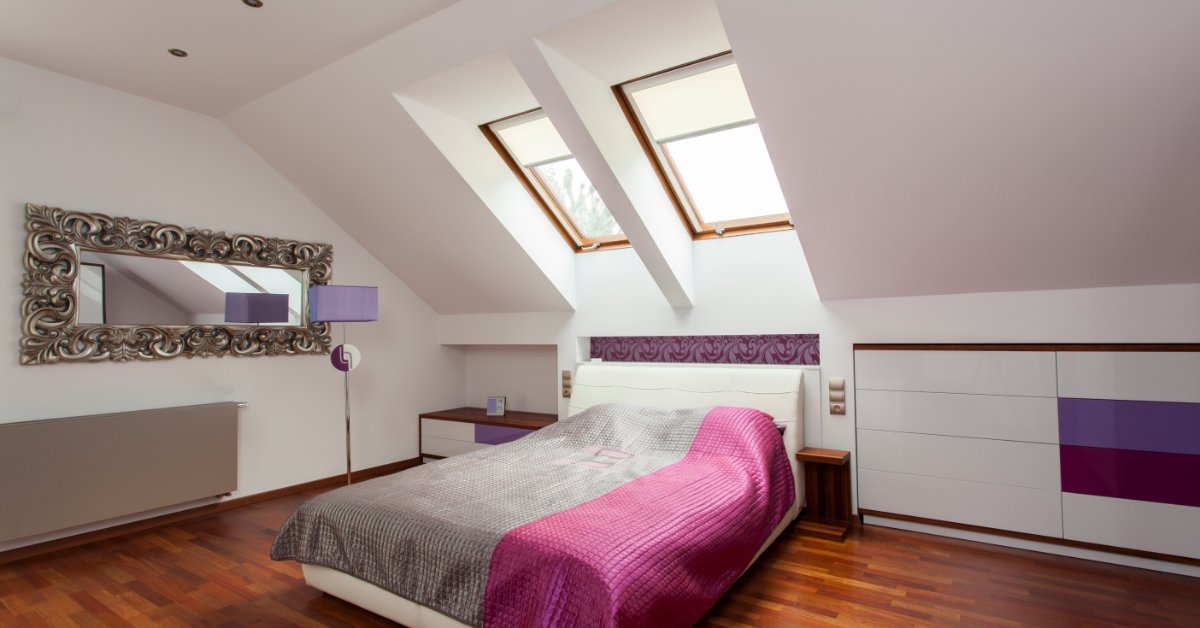
Natural light introduces warmth and authenticity that artificial sources cannot fully replicate within a home environment. Large windows and glass doors allow sunlight to enter and illuminate interior spaces. This approach reduces reliance on electrical fixtures during daytime hours.
Proper window placement and reflective surfaces help distribute natural light more effectively across rooms. Light colored walls and mirrors can amplify brightness and create a sense of openness. Thoughtful integration ensures a seamless connection between indoor and outdoor environments.
Smart Lighting Systems
Smart lighting systems offer advanced control over brightness and scheduling through digital interfaces and automation features. Homeowners can adjust settings remotely using mobile devices or voice commands. This flexibility enhances convenience and personal comfort in daily routines.
Integration with home automation systems allows seamless coordination between lighting and other household functions. Timers and sensors can adjust illumination based on occupancy or time of day. These systems provide efficiency and a tailored lighting experience for modern homes.
Layered Lighting Design
Layered lighting combines ambient, task, and accent elements to create a versatile and dynamic interior environment. Each layer serves a distinct purpose and contributes to overall balance within the space. This approach allows flexibility for different moods and activities.
A cohesive layered design ensures smooth transitions between various lighting types without visual disruption. Dimmer switches can adjust intensity levels to suit different occasions and preferences. Proper coordination results in a harmonious and adaptable lighting system throughout the home.
Fixture Styles and Materials
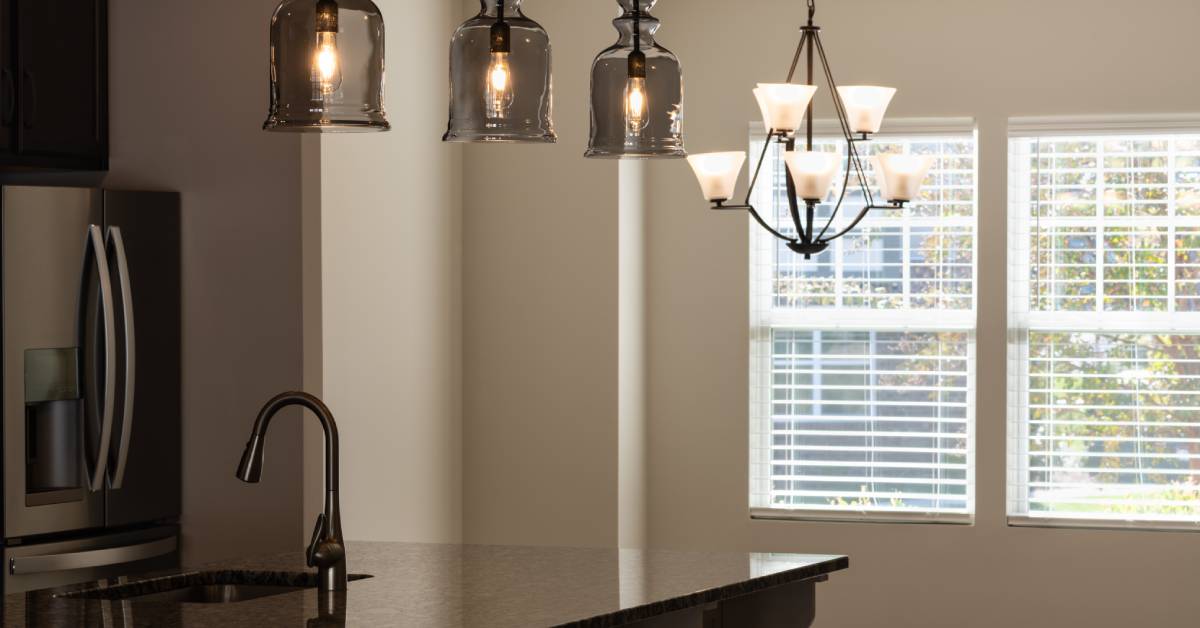
The best lighting options for your home renovation project define the character and function of interior spaces, making material and style selection essential. These fixture styles and materials offer a range of possibilities that suit different design preferences and practical needs:
- Metal Fixtures: Provide durability and a sleek appearance that suits modern and industrial interiors. Finishes such as brushed nickel and matte black create distinct visual effects that enhance design themes.
- Glass Fixtures: Introduce elegance and allow light to disperse evenly across a space for a softer visual effect. Their versatility makes them suitable for both contemporary and traditional interior styles.
- Fabric Shades: Soften light output and create a warm, inviting atmosphere within living areas and bedrooms. Materials such as linen or cotton diffuse brightness and reduce glare effectively.
- Crystal Elements: Reflect and refract light to produce a sense of luxury and sophistication within interior spaces. Chandeliers and decorative pendants often feature this material to create visual interest.
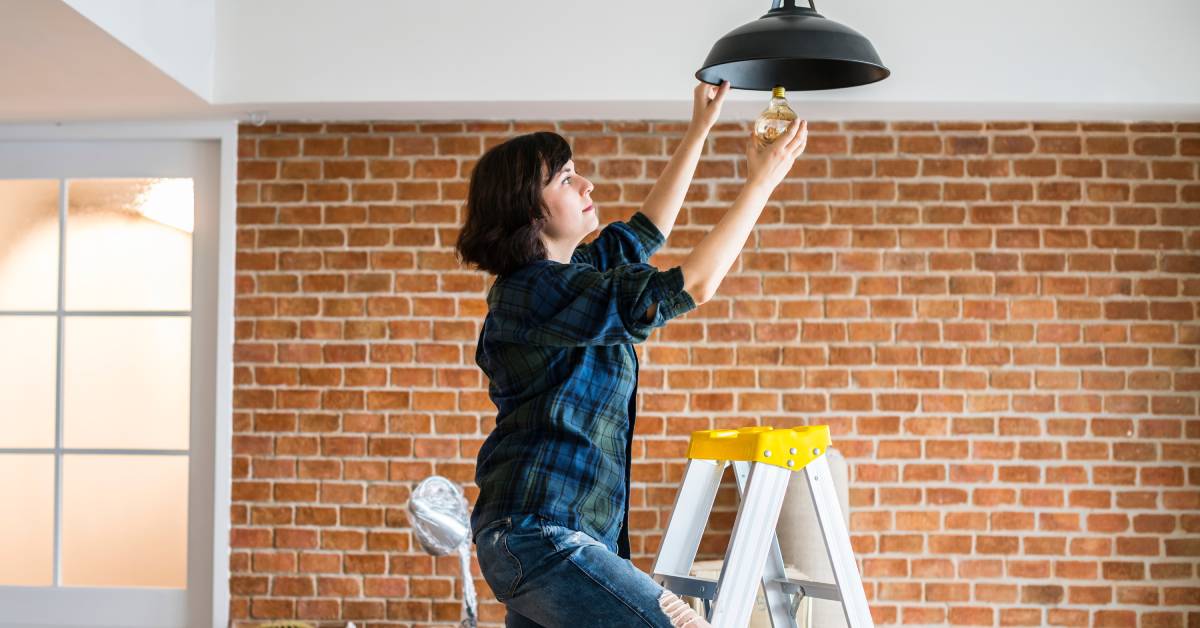
- Industrial Fixtures: Emphasize raw materials such as exposed metal and simple geometric shapes for a bold appearance. This style often suits loft spaces or modern homes that favor minimal decoration. The design focuses on function with a strong visual presence.
- Minimalist Styles: Prioritize clean lines and simple forms that blend seamlessly into modern interiors. These designs avoid excessive ornamentation and focus on efficiency and clarity.
Professional Planning and Execution
Effective lighting design often requires expert input to achieve optimal results across complex renovation projects. Professionals assess layout and design goals to create tailored lighting solutions. Their expertise ensures safety and visual harmony throughout the home.
With the help of professional house building contractors, you can achieve a cohesive lighting plan that aligns with structural and aesthetic objectives. Their experience allows precise installation and efficient coordination between different aspects of the renovation process. This collaboration leads to a refined outcome that enhances function and visual appeal.
Budget and Cost Management
Budget considerations play a significant role in determining the scope and quality of lighting solutions within a renovation project. Careful planning helps allocate resources effectively across different areas of the home. Prioritization ensures that essential lighting needs receive appropriate attention.
Balancing cost with quality allows homeowners to invest in fixtures that offer durability and long-term value. Energy-efficient options can offset initial expenses through reduced utility bills over time. Strategic decisions ensure that financial constraints do not compromise overall design integrity.
Lighting remains one of the most influential aspects of any home renovation, shaping functionality and aesthetic appeal across every room. From ambient foundations to accent highlights, each choice contributes to a cohesive and inviting environment that enhances daily living. A thoughtful approach ensures that every space achieves the right balance of brightness and visual harmony.
With style and professional expertise, you can create a lighting system that meets practical needs and design aspirations. Careful planning and informed decisions can transform a home into a beautifully illuminated and welcoming space.