A home that requires extensive updates presents a significant challenge for any homeowner. The sheer number of tasks can feel overwhelming, which makes a clear plan essential to ensure everything receives proper attention.
You must create a logical sequence for renovations to manage time, budget, and resources effectively. This process transforms a large, daunting goal into a series of manageable steps for success. A thoughtful approach ensures that each project builds upon the last, which creates a cohesive and functional living space for you and your family to enjoy for many years.
Proper project planning prevents costly mistakes and reduces the stress associated with major home improvements. You must learn how to prioritize projects when your whole house needs work to ensure a successful job that meets your needs safely and on time.
Assess Structural and Safety Issues First
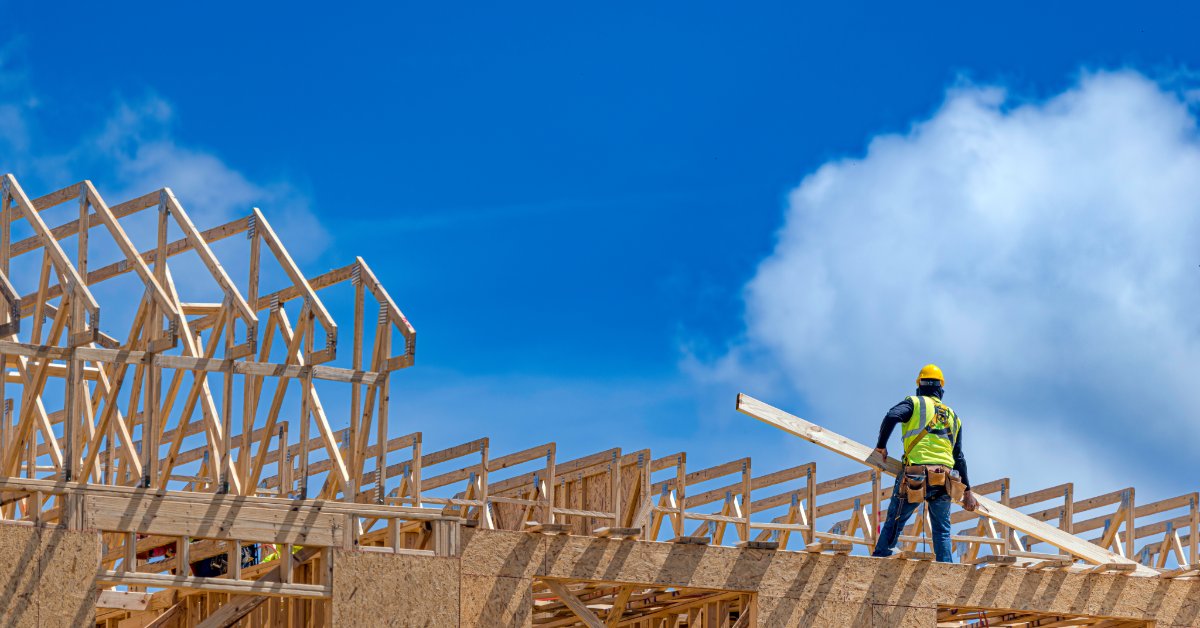
Address foundational, roof, and electrical problems before you consider any cosmetic updates. These items ensure the long-term stability and safety of your entire home structure. A secure home provides peace of mind and a solid base for future enhancements.
Neglecting these core areas can lead to significantly higher expenses down the road. A small roof leak can cause extensive water damage over a period. Timely repairs protect your valuable investment and the well-being of your family.
Focus on Essential Water-Related Repairs
Prioritize projects that prevent water intrusion, like window replacement and exterior sealant. Water is a primary source of severe damage, which includes mold and rot. Control water flow to safeguard your home’s structural integrity from potential harm.
Also, examine plumbing systems for leaks or malfunctions that require immediate attention. Functional kitchens and bathrooms are necessities for daily life and should rank high in the list of repairs. A dry, sound house is the foundation of a comfortable and healthy environment.
Plan for Energy Efficiency Improvements
Consider upgrades that reduce your home’s energy consumption for long-term savings. New insulation, an efficient HVAC system, and better windows lower your utility bills. These improvements also contribute to a more comfortable and consistent indoor climate.
These projects offer a substantial return on investment through reduced operational costs. An energy-efficient home is also more attractive to potential future home buyers. You make a smart financial decision when you choose these important upgrades.
Group Projects Based on Location
Complete all work in one area of the house before you move to another. This method minimizes disruption to your family’s daily life and routines. It helps contain dust and debris to a single zone for easier cleanup.
This approach also streamlines the workflow for contractors and various trade specialists. It enables more efficient scheduling and reduces travel time within the home. A zone-based plan makes the entire renovation process feel much more organized.
Tackle Projects That Add the Most Value
When planning home improvements, it is essential to prioritize projects that add the most value to your property. Here are some top upgrades to consider, along with their benefits.
Kitchen Renovations
A modern, functional kitchen is often the centerpiece of a home. Updating appliances, installing quality countertops, and refining the layout can significantly enhance the aesthetic appeal and efficiency of the space. These changes improve daily living for your household and attract prospective buyers when it’s time to sell.
Bathroom Remodels
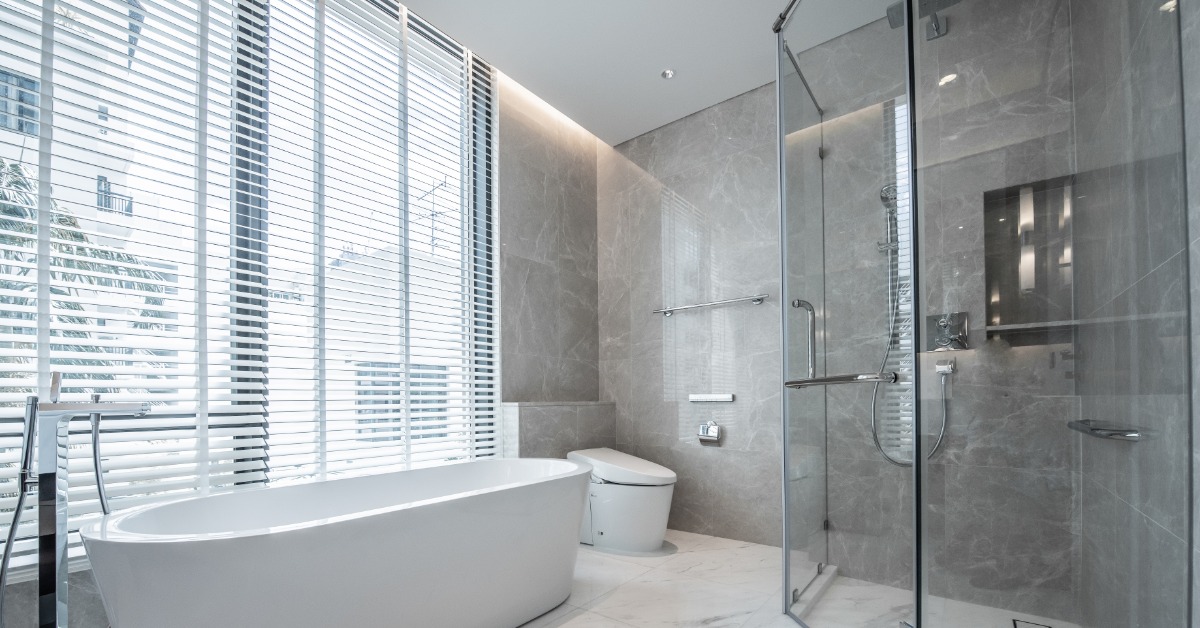
Bathrooms are vital to comfort and convenience in any home. Upgrading outdated fixtures, adding energy-efficient features, or incorporating luxurious touches like a walk-in shower or a curbless shower can increase the room’s usability. These improvements can deliver a high return on investment and improve quality of life.
Outdoor Living Spaces
Outdoor area enhancements such as adding a deck, patio, or landscaped garden can create welcoming spaces for relaxation or entertaining guests. These improvements are the best option in areas with pleasant climates and help set your home apart from others on the market.
Boosting Curb Appeal
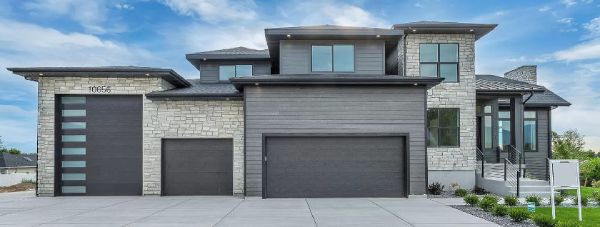
First impressions matter, and updates like painting the exterior, upgrading the front door, or maintaining a neat, attractive landscape can instantly elevate your home’s appearance. A strong curb appeal draws in more potential buyers and encourages higher offers.
Consider Your Family’s Lifestyle Needs
One of the main strategies for prioritizing projects when your entire house needs work is to evaluate which renovations will have the most positive impact on your daily comfort. A finished basement may provide a much-needed play area for your children. An extra bedroom could accommodate a remote work setup or a new family member.
Let your unique life circumstances guide your project choices after safety issues. Your home should support your specific activities and personal household requirements. This makes the space truly functional for everyone who lives within the house.
Divide Large Projects Into Smaller Phases
Break down complex renovations into a series of smaller, more manageable tasks. A full kitchen remodel typically involves several phases, including demolition, plumbing, and cabinet installation. This makes the entire scope feel much less intimidating and a lot easier.
A phased approach allows for better budget management and progress measurement. You can pause between phases if you need to secure additional funds. This method gives you more control over the project’s timeline and expenses.
Let Professionals Manage the Complexities
Some large-scale projects require extensive coordination of different specialized tradespeople. A general contractor or design-build firm can handle this complex management. They ensure that each stage of the project proceeds in the correct order.
When you work with professional full-house renovation services, you can relax and let experienced workers make the magic happen. They secure permits, schedule inspections, and oversee all the intricate details. Their expertise ensures the project adheres to all local codes and standards.
Create a Realistic Budget and Timeline
Develop a detailed financial plan that accounts for all anticipated project costs. You should also include a contingency fund for unexpected issues that may arise. A clear budget prevents overspend and the associated financial stress it causes.
Establish a practical timeline that reflects the true scope of the work ahead. Understand that delays can occur due to weather, materials, or other factors. Patience and flexibility are valuable assets throughout the entire renovation journey.
A systematic plan transforms an overwhelming task into an achievable and successful outcome. Prioritize structural integrity and safety before all other home renovation projects, as these form the foundation for any aesthetic or functional upgrades.
With thorough research, a realistic budget, and a practical timeline, you can avoid many common pitfalls and unexpected challenges. Flexibility and patience are key, as obstacles such as delays in material delivery or weather-related setbacks may arise. Take the time to refine your approach, learn from each step, and celebrate the milestones along the way to ensure a rewarding and empowering experience.