Owning a home in the Bay Area is a dream for many people due to its vibrant culture, stunning landscapes, and strategic location. However, the region’s unique challenges with seismic activity, housing costs, and environmental considerations mean that building a home requires careful thought and planning.
Building a resilient home means creating a stylish and functional living space that integrates smart, sustainable solutions and forward-thinking designs that allow it to adapt to changing needs and circumstances. By taking a proactive approach, you can ensure that your home meets the demands of today and evolves seamlessly with the future, offering comfort, efficiency, and flexibility. Whether you are renovating or building from scratch, future-proofing your Bay Area dream home will give you peace of mind and provide a legacy for future generations.
Prioritize Earthquake-Resistant Design
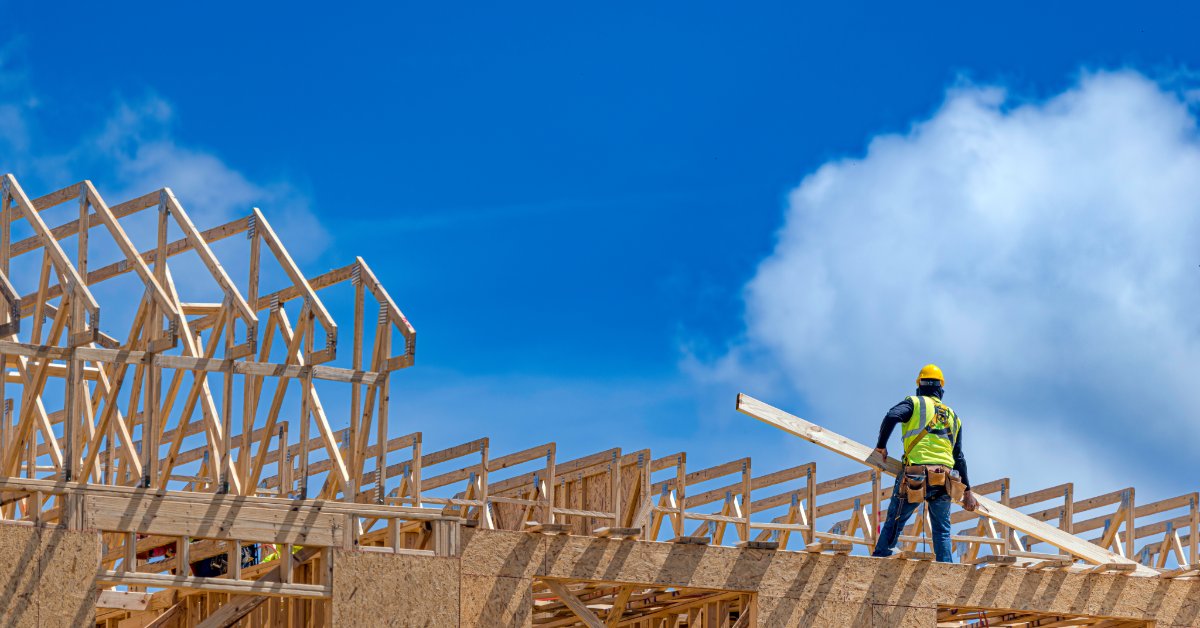
The Bay Area sits along several significant fault lines, making earthquake-resistant design a top priority. Earthquake-resistant homes use advanced engineering to prevent structural damage during potential seismic events. Key elements such as flexible framing and reinforced materials ensure greater resilience over time.
Keeping future stability in mind will help reduce risks to your property and loved ones. Reinforcing your home’s foundation is particularly vital for maintaining structural integrity during major earthquakes. Seismic advancements continue to improve, so staying informed is essential for future upgrades.
Invest in Advanced Roofing Solutions
Choosing durable roofing materials extends your home’s lifespan while protecting against unpredictable weather fluctuations. Innovations such as solar-ready roofs add functionality and energy efficiency to eco-conscious designs.
A well-maintained roof saves money over time through reduced repair costs and better durability. Regular inspections will help identify concerns early before they become larger issues. Your goal is to make proactive choices that safeguard your roof against aging and extreme weather.
Use Smart Home Technology
Integrating smart home technology significantly enhances functionality, efficiency, and long-term adaptability. Devices such as smart thermostats, lighting controls, and interactive security systems offer greater convenience and lower utility bills. Integrated systems create adaptable homes compatible with future technological innovations.
Smart systems enable you to monitor and manage your energy use from virtually anywhere at any time. This promotes sustainability by minimizing wasteful practices while giving residents greater control over energy savings.
Focus on Sustainable Building Materials
Eco-friendly materials are ideal for building resilient spaces while reducing your environmental footprint. Options such as recycled wood, bamboo, or sustainable concrete reduce waste without compromising durability. Locally sourced materials often minimize transportation emissions while aligning with regional sustainability efforts.
Sustainability is increasingly important in communities facing climate impacts, rising energy needs, and urbanization trends. Future-proofing your Bay Area dream home starts with making informed choices during construction. Working with professional Bay Area house builders is essential for integrating sustainable practices tailored to local standards.
Maximize Energy Efficiency
Energy-efficient practices help cut utility bills and contribute to environmental sustainability. Well-placed windows and improved insulation significantly reduce heat loss during colder seasons. Incorporating renewable energy systems with solar panels lowers overall energy dependence. Regular energy audits help reduce wasteful consumption and identify upgrades that offer the best returns. Over time, investments in innovation ensure financial and ecological rewards.
Adapt Spaces for Flexibility
Designing adaptable spaces allows homes to meet current needs while being prepared for future changes. Here are some ideas to help you create a flexible living space:
- Open floor plans: Avoid unnecessary divisions in floor layouts to promote multi-use areas, enhance functionality, and cater to various activities.
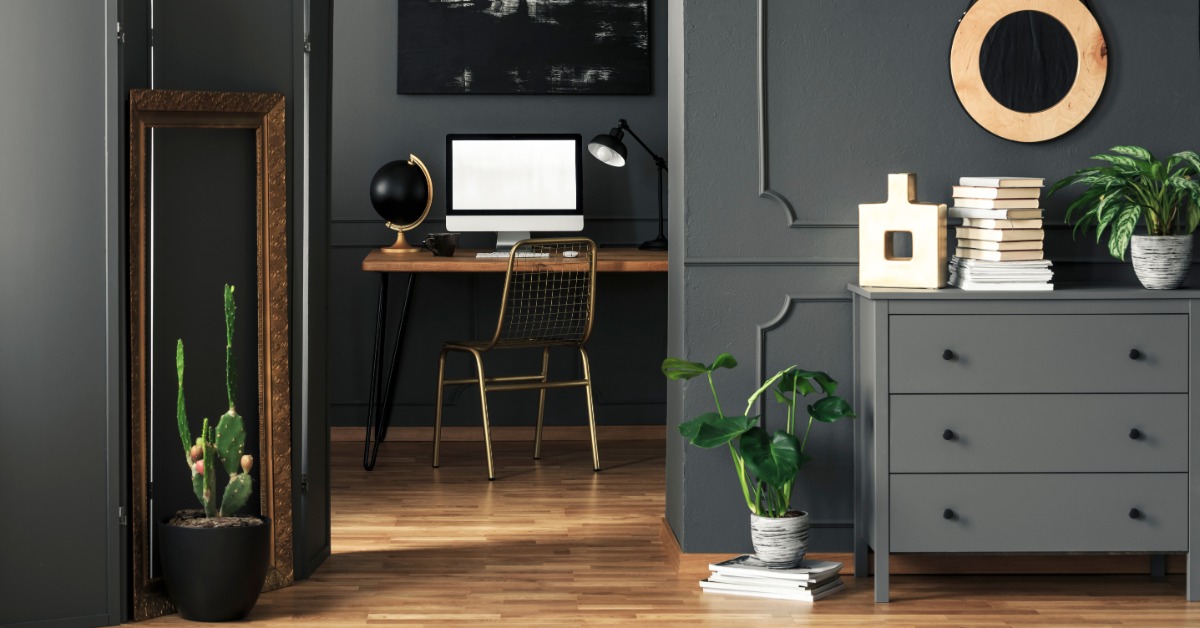
- Multifunctional rooms: Incorporate features that allow rooms to serve dual purposes, such as home offices that can double as guest accommodations or recreational spaces. Build rooms and layouts that you can later repurpose without major renovations, whether for additional living space, home offices, or hobbies.
- Moveable or modular furniture: Use furniture that you can easily rearrange or expand, such as extendable tables, foldable desks, or modular sofas.
- Preparing for multigenerational living: Include adaptable features such as separate entrances, en-suite bathrooms, or convertible spaces for growing or shifting household configurations.
- Flexible storage solutions: Stay organized with modular shelving, adjustable closets, and smart storage systems.
Incorporate Drought-Resilient Landscaping
The Bay Area frequently faces drought conditions, so sustainable landscaping practices are highly valuable. Xeriscaping designs rely on native plants and efficient irrigation systems to significantly reduce water needs. Hardscaping additions, such as permeable pavements, help conserve while maintaining aesthetic appeal.
Long-term landscaping solutions ensure lower maintenance requirements, making homes both cost-effective and eco-friendly. Conserving resources with greenery native to the region supports a resilient environment.
Plan for Energy Independence
Energy independence strengthens resilience against power outages, soaring energy prices, and limited grid capacity. Solar panel systems with battery storage foster ongoing energy access in case of outages. Wind turbines or micro-hydro systems provide alternative clean energy sources when feasible.
Energy independence ensures homes remain self-sufficient and free of energy disruptions. Renewable options, paired with independent systems, create a sense of security for homeowners. Sustainable energy advancements continue to redefine independent living standards favorably.
Incorporate Sustainable Water Systems
Water-saving measures give residents access to critical resources, particularly when scarcity arises across the Bay Area. Rainwater harvesting systems channel natural resources into on-site storage for landscaping or non-potable use. Installing graywater recycling captures waste for related conservation initiatives.
Proactive planning for water scarcity stabilizes shared community challenges while benefiting your property. Preparing for sustainable water use is paramount in environmentally sensitive regions of California.
Stay Compliant With Local Policies
Understanding local legislation will help you make better decisions about everything from permits to sustainability measures. Regularly checking on housing code updates ensures that your upgrades reflect official requirements. Noncompliance risks fines, wasted resources, or slowed construction processes. Aligning building efforts with local codes streamlines approvals, reduces delays, and enables seamless implementations. Advanced research preserves effort and capital during longer projects.
Future-proofing your Bay Area dream home involves proactive planning, adaptability, and a commitment to sustainability. Integrating energy-efficient technologies, adhering to evolving housing codes, and considering potential climate impacts can create a home that endures the challenges of tomorrow. With thoughtful preparation, your dream home can adapt to changing needs and environmental conditions, preserving its comfort and appeal into the future.