An accessory dwelling unit, or ADU, represents a significant investment for any homeowner. These secondary homes on your property offer space for family or for rental income. A clear financial plan helps you navigate the construction process from start to finish.
Proper preparation allows you to create a realistic budget for your new small home. This process requires careful consideration of design, materials, labor, and potential unexpected expenses. Learning how to budget for an accessory dwelling unit will prevent financial strain and help you achieve your project goals.
Understand Local Regulations and Permit Fees
Local ordinances dictate the size, placement, and design options for your accessory dwelling unit. Your city’s planning department provides the specific rules you must follow for your project. These regulations directly influence the total construction cost and your overall project budget.
You must account for various permit fees before you even begin the actual construction. These costs include fees for building, electrical, plumbing, and, sometimes, sewer hookups. Obtain a complete fee schedule from your local municipality to prepare for these expenses.
Define Your ADU’s Purpose and Scope
Determine the primary use for your new accessory dwelling unit before you build. Will it house family members, or will it serve as a long-term rental property? Your answer to this question shapes design choices and necessary features for the unit.
The scope of your project will depend on the intended function of the new space. A simple studio for one person requires fewer materials than a two-bedroom family unit. A clear scope helps you define the project parameters and control the overall costs.
Research Different ADU Construction Types
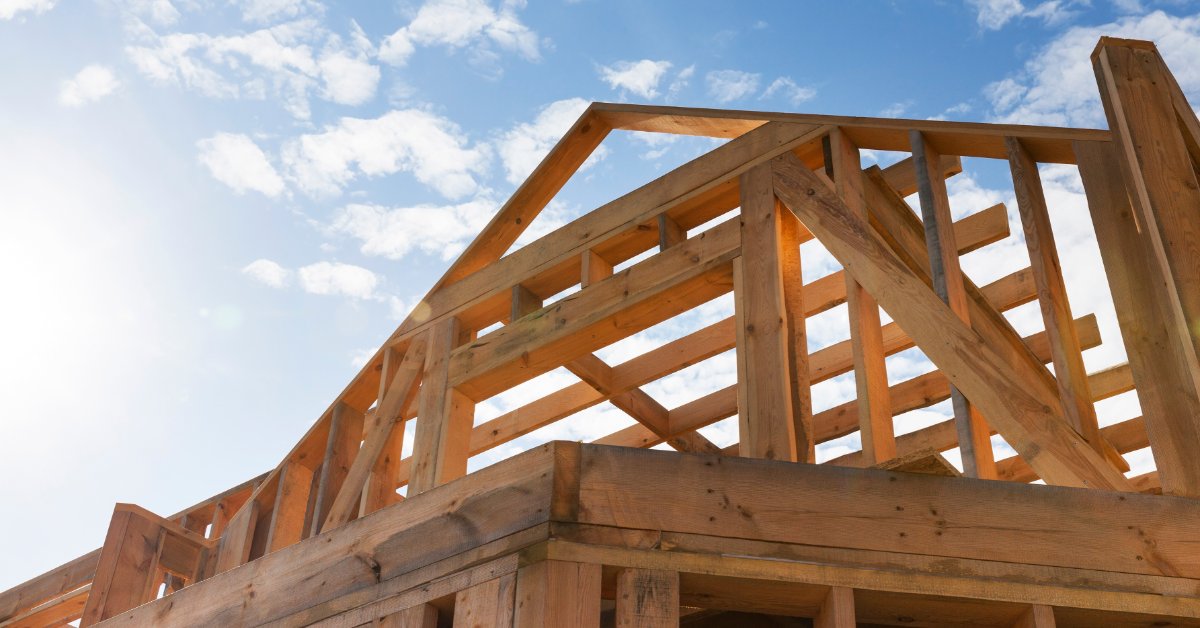
There are several ways to build an accessory dwelling unit on your property. You could choose a traditional stick-built structure, which offers great design flexibility. This method lets you customize the layout and finishes to match your main house.
Alternatively, you could explore prefabricated or modular ADU options to reduce build time. Companies can build these units off-site in a factory and then deliver them to your property. This option can sometimes minimize labor costs and shorten the project construction schedule.
Estimate Material and Labor Expenses
Material costs form a substantial part of your total accessory dwelling unit construction budget. You will need to select items like lumber, roofing, windows, doors, and interior finishes. Make a detailed list of all the materials you will need for the project.
Labor expenses will also represent a significant portion of your project’s total expenditures. You need to hire skilled tradespeople, such as carpenters, electricians, plumbers, and painters, for the work. Request detailed quotes from multiple contractors to compare their rates for the project.
Account for Site Preparation Costs
Before construction starts, your property requires preparation to accommodate the new ADU structure. This may involve tree removal, land excavation, or extensive soil grading work. These activities ensure a stable and suitable foundation for your new accessory dwelling unit.
You must also consider the cost to connect utilities to the new dwelling unit. This includes running new lines for water, sewer, electricity, and even natural gas. These connections are fundamental to a functional, habitable accessory dwelling unit.
Factor in Design and Engineering Fees
You will need professional plans to construct your accessory dwelling unit in accordance with local code. An architect or a designer can create the detailed blueprints required for your project. These professional services add to the upfront costs you must include in your budget.
A structural engineer may need to review and approve your plans for structural safety. This step ensures your new building can withstand local environmental conditions, such as earthquakes. The engineer’s approval is a necessary step for you to obtain your building permit.
Create a Contingency Fund for Overages
Unexpected issues can arise during any major home construction or renovation project. These surprises often lead to additional expenses you did not anticipate. A contingency fund gives you a financial cushion to handle these unforeseen circumstances.
Financial experts often recommend setting aside 10 to 20 percent of the budget. This extra money covers cost overruns without halting the entire construction process. Working with a professional remodeling company to build a quality ADU home addition will keep surprises to a minimum.
Compare Financing and Loan Options
Most homeowners require some form of financing to pay for an ADU construction project. You can explore options like a home equity loan or a line of credit. A cash-out refinance on your current mortgage is another popular financing method.
Speak with multiple lenders to find the best interest rates and loan terms available. A lower interest rate can save you a substantial amount of money over time. Carefully review all loan documents before you make your final commitment.
Consider Long-Term Operational Costs
To successfully budget for an accessory dwelling unit, you should extend it beyond the initial construction phase of the project. You must also consider the future operational expenses of the new dwelling unit. These costs include property taxes, homeowners’ insurance, and regular upkeep on the structure.
If you plan to rent the ADU, think about property management and vacancy rates. These factors affect your return on investment and the unit’s overall financial performance. A complete financial picture helps you make an informed decision about the project.
Review and Refine Your Budget
A budget is a dynamic document that you should review on a regular basis. As you receive quotes and make decisions, update your spreadsheet with the actual numbers. This practice keeps your financial plan accurate and reflects the project’s real costs.
Constantly compare your planned expenses against the actual costs you incur during construction. This vigilance helps you identify potential overages early and make necessary adjustments. A refined budget keeps your ADU project on track and prevents financial difficulties.
Creating a thoughtfully detailed budget is a critical foundation for the success of your accessory dwelling unit project. It provides a clear roadmap, turning what may seem like a complex, overwhelming process into an achievable, organized series of financial steps. From the initial stages of design and permitting to construction, interior finishes, and landscaping, every potential cost needs careful consideration to prevent unexpected expenses and ensure a smooth progression.
A well-prepared budget helps you stay on track financially and allows you to make informed decisions that align with your goals, ensuring quality and functionality. This detailed financial planning enables you to create a valuable addition to your property that enhances its utility and increases its overall value, making it a worthwhile investment.