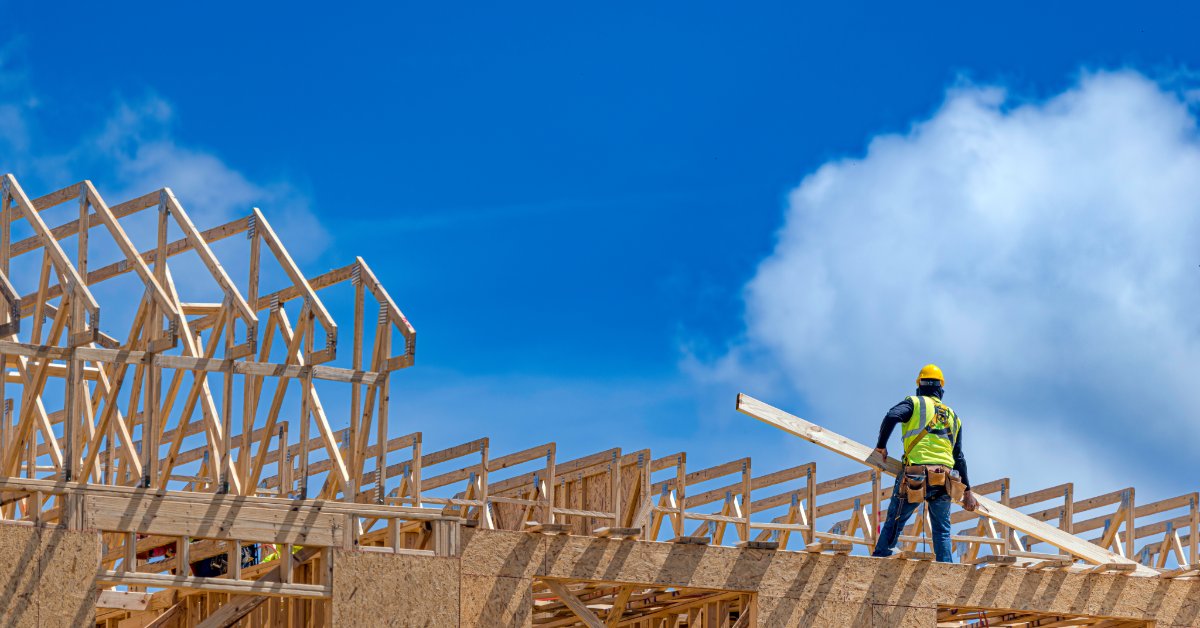

Construction in densely populated areas with limited space, like the Bay Area in California, presents distinct challenges for contractors and neighbors. Minimizing disruptions while ensuring efficient project completion requires strategic planning and skilled execution.
Residents near construction sites may face obstacles such as increased noise, dust, and reduced access, which can lead to frustration. To address these issues, contractors employ a variety of methods and tools designed to reduce disruptions and foster harmonious relations with the local community.
The strategies contractors use to mitigate construction impacts on neighbors can help create a balanced and cooperative environment. Skilled contractors recognize the importance of maintaining transparency, communication, and diligent planning when operating in restricted spaces. Through thoughtful approaches, they can minimize the impact on communities while maintaining the pace of progress.
Effective Pre-Construction Communication
Clear, proactive communication with neighbors before a construction project begins is essential to foster trust. Contractors often host community meetings to inform residents about timelines and project scope in detail. Providing easy access to contact information ensures neighbors can voice concerns or ask questions as needed.
Contractors often distribute leaflets or newsletters to outline schedules and anticipated disruptions in advance. Preparing neighbors by sharing a project overview helps manage expectations and reduce misunderstandings. These efforts create a collaborative relationship where residents feel valued and respected.
Implementation of Noise Control Measures
Reducing noise pollution is a priority for contractors working near residential areas. Quiet construction equipment and noise barriers keep noise levels within acceptable limits. The timing of noisy activities to avoid peak residential hours demonstrates contractors' consideration for neighbors.
Designated work hours, typically during the daytime, help minimize disturbances during sensitive times. Regular maintenance of equipment ensures operational efficiency and prevents unnecessarily loud disruptions. These thoughtful measures create a quieter, more tolerable construction environment for nearby residents.
Dust and Debris Management Strategies
Effective dust and debris management will maintain air quality, protect public health, and ensure a safe and clean environment around construction sites. These are key strategies contractors use to help manage these issues effectively:
- Implementing Dust Control Measures: Water sprays or misting systems suppress airborne dust during demolition and construction activities. Regularly wetting exposed soil and work surfaces helps reduce dust particles from becoming airborne.
- Installing Covered Debris Removal Systems: Enclosed debris chutes and other removal systems prevent dust and particles from escaping into surrounding areas. This helps confine dust within the worksite, reducing its spread to neighboring spaces.
- Utilizing Washable Mats at Entry/Exit Points: Washable mats at entry and exit points prevent construction materials, dust, and debris from entering public walkways or nearby facilities. Regular cleaning of these mats ensures maximum effectiveness.
- Scheduling Frequent Site Cleanings: Specialized cleaning services conduct routine clean-ups at the construction site. They use vacuum systems and sweepers designed to minimize dust emissions during cleaning activities.
- Monitoring Air Quality: Detection systems in and around the construction zone detect air quality. This ensures dust levels remain within acceptable standards and allows quick implementation of additional measures if necessary.
Strategic Material and Equipment Storage
Efficient storage of materials and equipment is vital in areas with limited space. Contractors plan storage near construction zones to prevent unnecessary clutter and obstruction in surrounding areas. Temporary storage solutions, such as modular containers, help maximize efficiency and reduce neighborhood disruption.
Locating equipment away from residential areas minimizes noise and visual disturbances to affected neighbors. Organized storage plans also facilitate streamlined workflows and decrease potential hazards in crowded urban environments. This fosters safety while maintaining a professional appearance.
Community Feedback and Response Systems
Establishing a structured feedback system allows contractors to address community concerns promptly. Dedicated staff or hotlines provide neighbors a reliable platform to raise issues about construction impacts. Timely responses demonstrate contractors’ respect for residents and their needs to keep the environment peaceful and friendly.
Periodic surveys help contractors assess the community's satisfaction throughout various project phases. Incorporating community input allows adjustments to minimize disruptions further. This approach strengthens mutual understanding and builds trust with investors.
Efficient Waste Removal Practices
Proper waste management ensures construction sites remain safe and clean, preventing neighbors from getting irritated. Contractors schedule regular waste removal operations aligned with the overall project timeline. Using covered containers prevents spillage and odors, maintaining a sanitary environment.
Recycling and disposal facilities can manage construction waste responsibly and meet local regulations. Organizing efficient collection routines ensures the removal of materials to maintain tidiness around the site. These measures reflect environmental responsibility and courtesy.
Safety Protocols and Risk Mitigation
One of the main ways contractors mitigate construction impacts on neighbors is with strict safety protocols to safeguard workers, residents, and the surrounding property in tight spaces. Contractors erect safety fences and barriers to prevent unauthorized access to construction zones. Warning signs are important because they alert individuals to potential dangers, helping to avoid accidents and ensuring the safety of workers and the public.
Precise planning and inspection prevent structural damage to surrounding buildings, ensuring the security of adjacent properties. With a strong emphasis on safety procedures, contractors enhance the community's sense of reassurance. Upholding such standards establishes a diligent and professional image.
Coordinating Work with Local Authorities
Contractors actively engage with local authorities to ensure compliance and streamline construction within dense urban areas. Working with municipalities allows better coordination for delivering services during construction. Partnerships with law enforcement guide contractors in maintaining orderly operations.
Discussing and preserving the best medical emergency routes minimizes health risks when disruptions are inevitable. This collaboration showcases accountability and foresight in handling complex projects. Working with a professional Bay Area construction company to manage construction in areas with limited space ensures adherence to best practices and promotes better outcomes for all stakeholders.
Adaptable Project Scheduling
Flexible scheduling strategies balance construction needs with the priorities of surrounding residents. Contractors revise timelines around key community events or peak activity periods to avoid conflicts. Having adaptive plans demonstrates mindfulness about community routines and values.
Utilizing digital scheduling tools enables efficient resource allocation and quicker responses to unforeseen delays. Through targeted planning, contractors achieve better project outcomes while maintaining support from the local community. A considerate and adaptable approach ensures long-term synchronization and development success.
With proactive strategies such as transparent communication, regular updates, and hosting neighborhood meetings, contractors can ensure that residents remain informed and feel valued throughout the construction process. Utilizing advanced construction methods and tools to minimize noise, dust, and vibration further demonstrates a commitment to reducing disturbances for the surrounding community.
Contractors who prioritize adaptability and responsiveness also foster friendliness by resolving concerns promptly and striving to accommodate specific neighborhood needs. Mitigating construction impacts requires a thoughtful, multifaceted approach that recognizes community well-being, ensuring a successful project and positive relationships between contractors and residents.