Home renovation promises renewed comfort, improved function, and higher resale potential, yet poor choices can reduce appeal and weaken financial return. Many homeowners focus on style preferences without careful review of long-term market impact or structural consequences. A thoughtful plan, realistic budget, and informed decisions protect both daily comfort and future property value.
Buyers notice quality, layout, and condition within moments of entry, and first impressions often shape offer amounts. Renovations that ignore neighborhood standards or overlook structural integrity may create doubt about overall maintenance history. When mistakes occur, repair costs and reduced buyer confidence can lower final sale prices.
Exploring these home remodeling mistakes that can affect your home’s value will ensure you make informed decisions. Careful attention to these factors supports a renovation that enhances comfort while preserving long-term investment strength.
Over Personalization That Limits Buyer Appeal
Homeowners often select bold colors, unique fixtures, and specialized rooms that reflect personal taste rather than broad market expectations. While such choices create satisfaction for current occupants, they may discourage future buyers who prefer neutral spaces. A property that feels highly customized can appear difficult or expensive to modify.
Extensive themed rooms, custom-built features, and unusual layout changes may narrow the pool of interested buyers. When resale occurs, buyers calculate renovation costs required to reverse these features to suit their preferences. This perception can lead to lower offers and extended time on the market.
Ignoring Neighborhood Standards
Renovations that exceed neighborhood norms may not yield the expected financial return despite high investment levels. If surrounding homes feature modest finishes, luxury upgrades may not translate into comparable sale prices. Appraisers rely heavily on local comparable sales when assessing property value.
Neglecting to update a property within an upscale area can also reduce competitive standing. Buyers expect certain features in higher-value neighborhoods, such as updated kitchens or modern bathrooms. Failure to meet these expectations can signal deferred maintenance and reduce perceived worth.
Poor Quality Materials and Workmanship
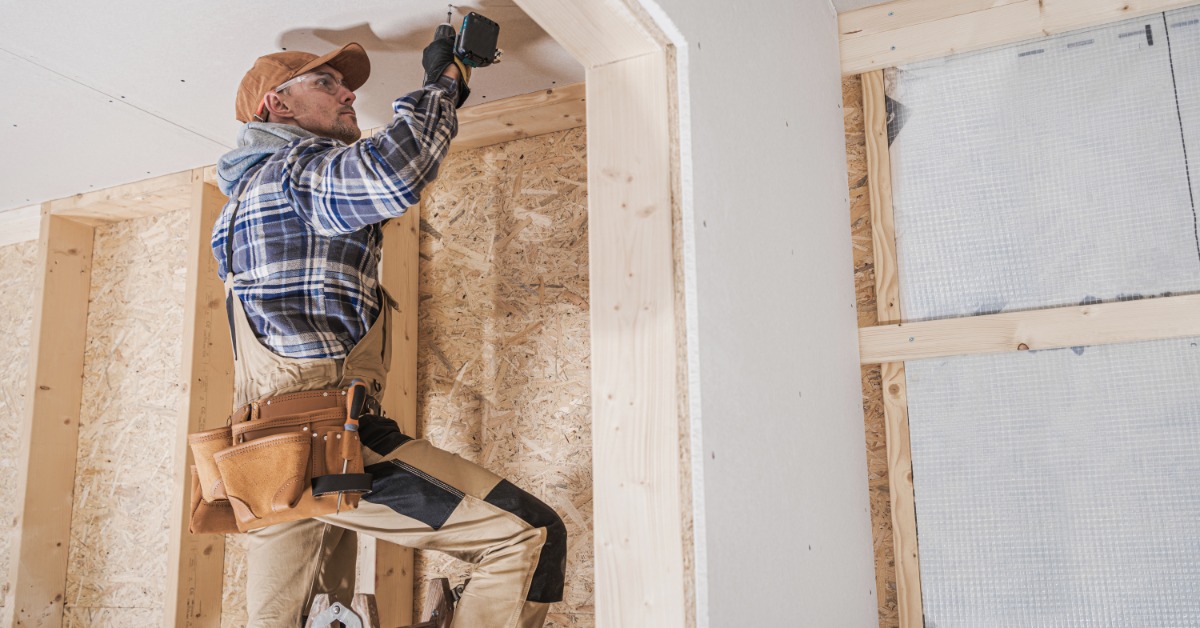
Low-cost materials may reduce initial expenses but often result in visible wear within a short period. Buyers notice uneven surfaces, loose tiles, and thin finishes that suggest limited durability. These details create doubt about the integrity of other unseen components.
Unskilled labor can produce structural flaws that require expensive corrections before a sale proceeds. Inspectors identify improper electrical work, uneven flooring, and inadequate support systems. Repair demands during negotiations frequently reduce seller proceeds and delay closing timelines.
DIY Projects Without Proper Expertise
Home improvement television programs can inspire ambitious projects that exceed homeowner skill levels. Complex electrical, plumbing, or structural tasks require technical knowledge and adherence to building codes. Mistakes in these areas may compromise safety and reduce buyer confidence.
Permit issues and code violations often surface during inspection and appraisal processes. Lenders may hesitate to approve financing when unauthorized work appears evident within the property. Buyers may request price reductions to offset anticipated correction expenses.
Removing Bedrooms or Functional Spaces
Open concept layouts remain popular, yet eliminating a bedroom to expand living space can lower appraisal classification. Bedroom count significantly influences comparable sales analysis and perceived utility for families. A property marketed with fewer bedrooms may attract limited interest.
Converting garages into living areas without proper insulation or permits can also reduce functionality. Many buyers prioritize secure parking and storage, especially in regions with varied weather conditions. Loss of these practical features may outweigh aesthetic improvements elsewhere.
Inconsistent Design Choices Throughout the Home
A cohesive design enhances flow and creates a sense of intentional investment across the property. Mixing vastly different styles, materials, and finishes can make spaces feel disconnected and chaotic. Buyers often interpret inconsistency as evidence of piecemeal renovation without strategic planning.
Flooring changes between rooms without logical transitions may disrupt visual harmony and perceived quality. Contrasting fixture metals and mismatched cabinetry styles can also create visual confusion. Such inconsistencies may lower emotional appeal and reduce offer strength.
Neglecting Structural and Mechanical Systems
Cosmetic updates attract attention, yet hidden systems determine long-term performance and buyer trust. Roof condition, foundation stability, and HVAC reliability influence inspection outcomes and insurance requirements. Ignoring these elements while focusing solely on aesthetics may undermine overall value.
Outdated electrical panels or deteriorated plumbing lines can pose safety hazards and costly repair demands. Buyers frequently request concessions when major systems show signs of age or neglect. Addressing structural and mechanical needs before cosmetic changes supports stronger appraisal results.
Poor Kitchen and Bathroom Renovation Decisions
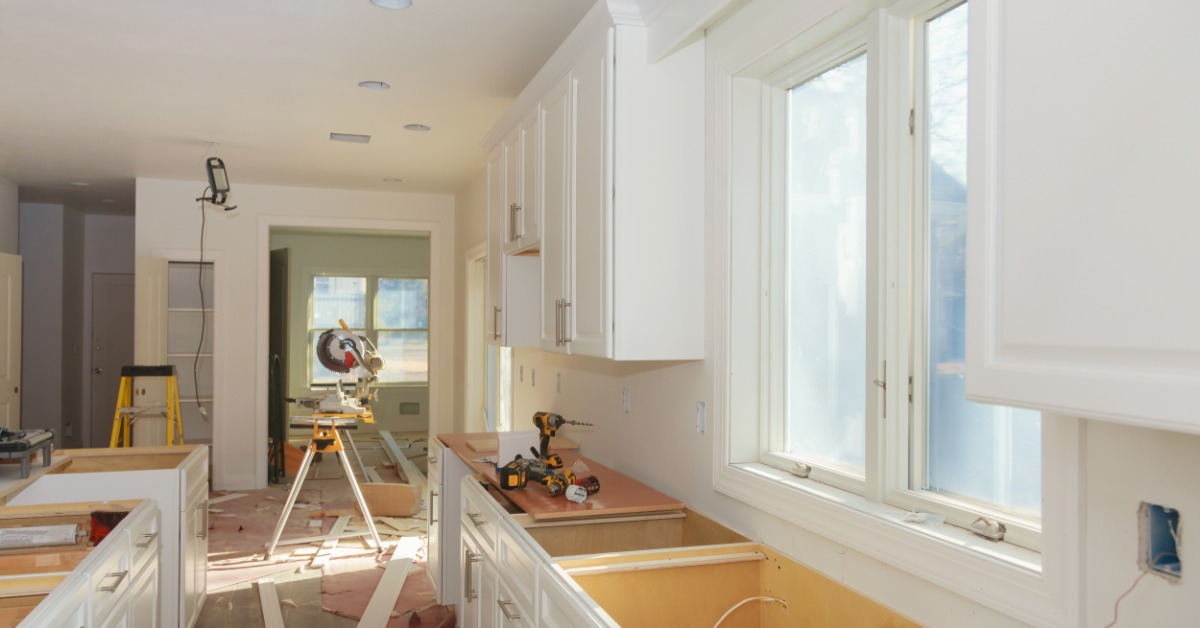
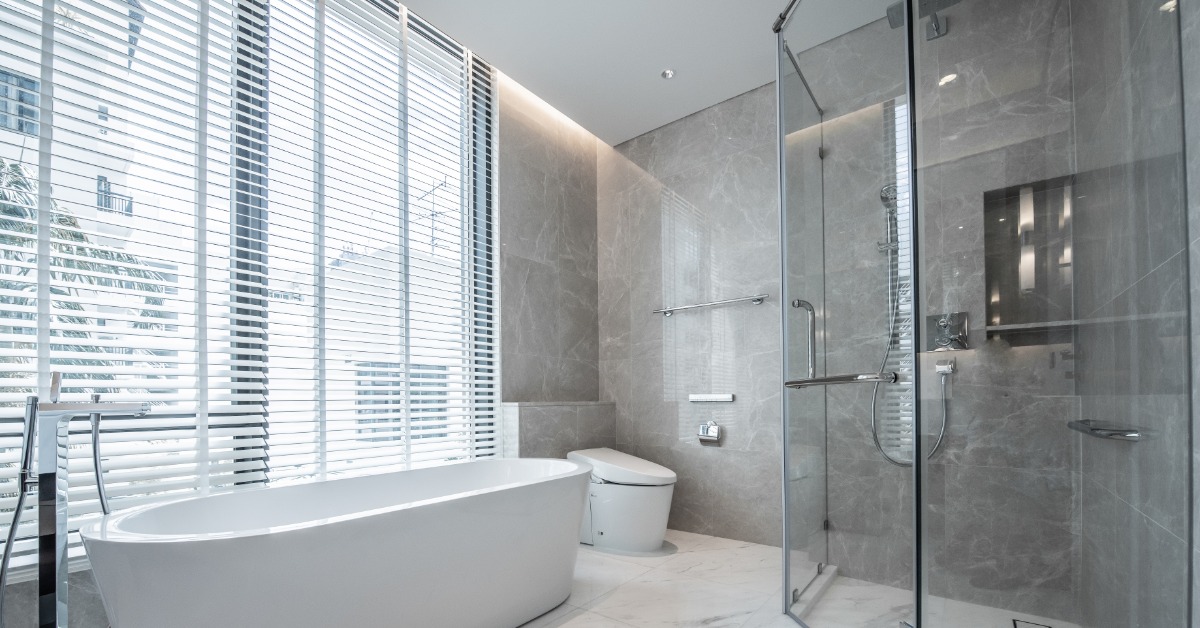
Kitchen and bathroom home remodeling mistakes can affect your home’s value because they heavily influence daily routines. Selecting extremely high-end finishes within a modest home may limit return on investment. Bargain fixtures in upscale homes may appear inconsistent with buyer expectations.
Improper layout modifications can reduce efficiency and convenience within these essential spaces. Limited counter area, awkward appliance placement, and insufficient storage diminish perceived functionality. Buyers evaluate these rooms carefully and adjust offer amounts accordingly.
Lack of Proper Permits and Documentation
Municipal permits verify that renovations meet safety standards and local building codes. Failure to secure approvals can complicate resale when buyers request documentation during due diligence. Lenders and insurers often require evidence of compliant construction before final approval.
Unpermitted additions may not count toward official square footage calculations in appraisal reports. This discrepancy can lower the assessed value despite the visible expansion of the living space. Transparent records provide assurance and support stronger buyer confidence.
Overlooking Professional Planning and Oversight
Comprehensive planning aligns budget, timeline, and design goals with realistic construction capabilities. Without professional oversight, projects may suffer from scope changes, cost overruns, and inconsistent workmanship. Strategic coordination reduces risk and preserves property value throughout renovation.
Expert contractors understand structural considerations, material performance, and market expectations within specific regions. Working with experienced home construction services will ensure your project meets quality standards that support long-term value. Professional supervision also improves code compliance and buyer trust at resale.
Home remodeling can elevate comfort and create a more functional living environment when approached with care and foresight. However, common mistakes such as over-personalization, poor workmanship, and neglect of essential systems can diminish property value. Each decision carries financial implications that extend beyond immediate satisfaction.
A successful renovation balances personal preferences with market realities and structural integrity. Thoughtful material selection, adherence to permits, and attention to neighborhood standards strengthen long-term return on investment. Professional expertise further enhances consistency and compliance throughout each phase of construction.
Homeowners who approach renovation with discipline and strategic planning protect present enjoyment and future resale potential. Avoiding these common errors positions a property competitively within its local market. Careful execution transforms remodeling from a risky endeavor into a sound financial decision.