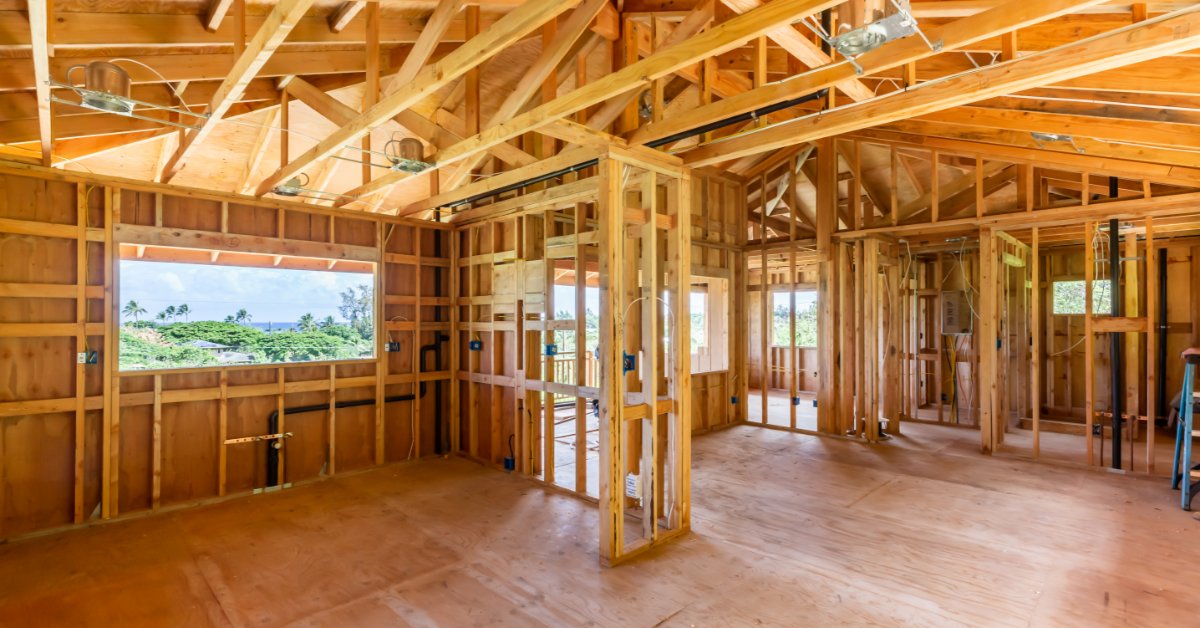
Custom home construction offers the promise of a tailored living space that reflects lifestyle needs and aspirations. Many homeowners enter the process with excitement and clear expectations, yet hidden costs often emerge that challenge even the most carefully planned budgets. These unexpected expenses can arise from various circumstances that evolve as the project progresses.
A deeper understanding of the hidden costs of custom home building factors allows homeowners to approach construction with greater confidence and financial awareness. Thoughtful preparation and informed decision-making help reduce risk and support steady progress across each stage of development.
Land Preparation and Site Conditions
Unseen ground issues can affect budgets when soil tests reveal instability that demands grading or reinforced foundations for safety. Costs rise as crews address rock removal, erosion control, and access paths that enable equipment to reach remote or uneven property areas. Early surveys and professional assessments reduce surprises and allow accurate estimates that reflect true site conditions before construction begins.
Utility access can require connection fees and permits that vary across regions and add substantial expense beyond initial expectations. Water, sewer, gas, and power lines may sit far from the property, requiring extensions that increase labor and material costs considerably. Coordination with local providers ensures timelines remain realistic and helps avoid delays that disrupt construction schedules and raise expenses.
Design Changes and Revisions
Design revisions during construction often increase costs due to rework, additional materials, and schedule disruptions that ripple through multiple trades on site. Small alterations can require plan updates and coordination efforts that extend timelines and introduce new expenses across project phases. Careful planning and firm decisions before construction reduce costly changes and keep the project aligned with the original vision and budget.
Architectural complexity can raise costs as unique layouts and custom features demand skilled labor and precise execution for quality results. Each added detail influences structural requirements and installation methods that contribute to higher expenses across design and construction stages. Clear priorities and realistic expectations help balance aesthetics with affordability and ensure the design remains achievable within financial limits.
Permit Fees and Regulatory Compliance
Permit fees and regulatory requirements vary widely across jurisdictions and can add notable expenses that homeowners may not anticipate during early planning stages. Inspections and compliance measures demand time and resources that influence budget and schedule throughout the construction process. Early consultation with local authorities helps clarify requirements and supports accurate cost projections that reduce unexpected financial strain later.
Zoning regulations can limit design options and require adjustments that increase costs through redesign efforts and extended timelines before construction proceeds. Environmental rules may require studies or mitigation measures that add fees and specialized services to the overall project budget. Understanding regulations in advance supports informed decisions and helps maintain steady progress without costly interruptions.
Material Price Fluctuations
Material costs can change due to market conditions and demand shifts that affect availability and pricing for essential construction components. Lumber, steel, and concrete prices may rise unexpectedly, leading to budget overruns if contracts do not account for potential fluctuations. Flexible budgeting and supplier communication help manage risk and support timely procurement that keeps the project moving forward.
Custom finishes and premium materials often carry longer lead times and higher costs that influence schedule and overall project expenditure significantly. Delays in material delivery can halt progress and require rescheduling of labor, increasing costs across multiple phases of construction. Selecting alternatives with similar quality and availability can help control expenses while preserving the intended design aesthetic.
Unexpected Structural Requirements
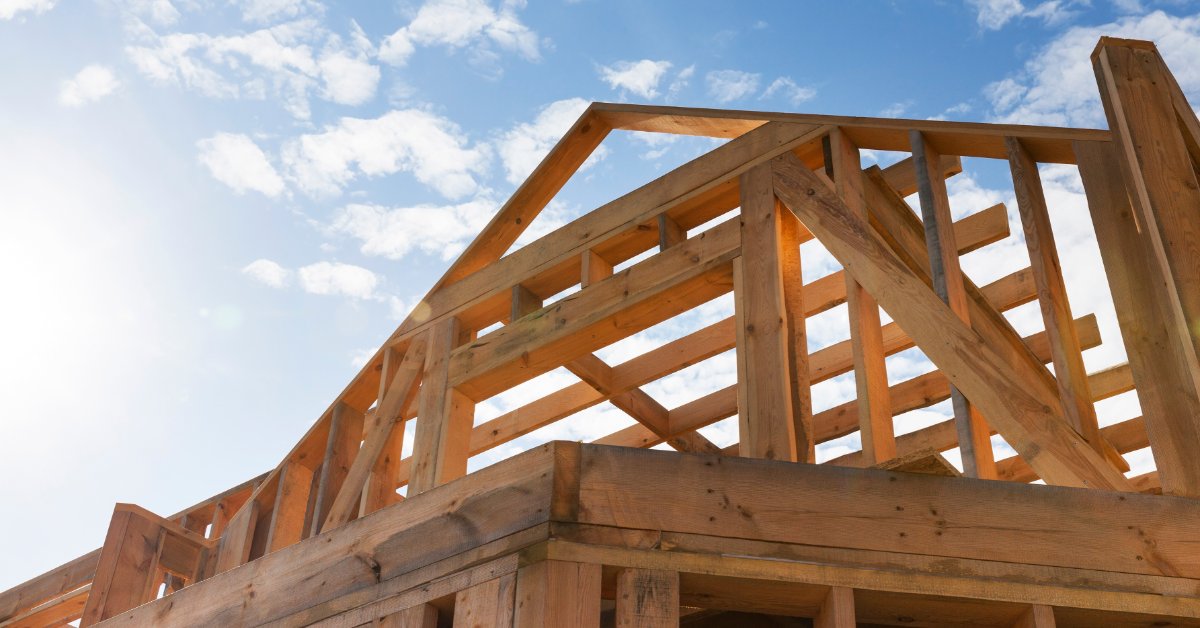
One of the main hidden costs of building a custom home is that structural issues can emerge during construction, such as inadequate support conditions or unforeseen load requirements. These changes often involve additional engineering input and labor that increase costs beyond initial projections for the project. Thorough preliminary assessments reduce risk and support designs that account for potential structural challenges before construction begins.
Foundation adjustments may become necessary if site conditions differ from expectations, requiring deeper footings or specialized systems that increase overall project expenses significantly. Structural reinforcements for safety and compliance can add complexity and extend timelines, affecting cost and scheduling. Proactive planning and expert evaluation help identify risks early and mitigate financial impact effectively.
Insurance and Financing Expenses
Insurance coverage for construction projects includes builder risk policies and liability protection that add costs but protect against unforeseen events. Premiums depend on project size and risk factors, influencing the overall budget throughout the construction period. Proper coverage ensures financial protection and supports peace of mind during complex building processes.
Financing costs can accumulate over time and increase the total cost of the project substantially. Delays in construction extend loan durations and raise interest payments, adding financial pressure on homeowners during the build. Careful financial planning and realistic timelines help control these expenses and maintain budget stability.
Landscaping and Exterior Work

Exterior work often receives less attention during budgeting, yet landscaping and outdoor features can require significant investment beyond the main construction scope. Grading and irrigation systems contribute to costs that enhance property value but require careful financial consideration. Planning these elements early ensures cohesive design and prevents last-minute expenses that strain the budget.
Hardscape features involve materials and labor that add to the overall project cost and timeline. These elements require coordination with construction schedules to ensure proper installation and integration with the home design. Budget allocation for exterior work supports a complete project outcome that meets expectations without unexpected financial stress.
Project Management and Oversight
Effective project management ensures coordination, scheduling, and quality control, yet professional oversight services add costs to the overall budget. Experienced managers help prevent costly mistakes and maintain efficient progress, offsetting their fees through improved project outcomes and reduced risk. Clear communication and structured planning support smooth execution across all construction stages.
Working with professional custom home building services is the best solution to ensure consistent quality and efficient coordination throughout every phase of construction. Expert teams provide knowledge and oversight that reduce risks and help maintain alignment with project goals and expectations. Their involvement supports a streamlined process that minimizes delays and controls costs effectively.
Technology and Smart Home Features
Modern homes often include advanced technology systems such as automation and energy management, each adding cost through equipment and installation requirements. Integration of these systems demands careful planning to ensure compatibility and efficient performance throughout the home environment. Early decisions help avoid retrofits and reduce expenses related to changes during construction.
Upgrades to electrical systems may be necessary to support advanced technology, increasing costs for wiring and installation labor across the project. These enhancements contribute to convenience and efficiency but require thoughtful budgeting and prioritization to align with financial goals. Selecting scalable systems allows future expansion without major additional expenses.
Custom home building offers unique opportunities for personalization, yet hidden costs can challenge even well-prepared homeowners without proper awareness and planning. Understanding these potential expenses allows informed decisions that protect budgets and ensure smoother progress across every stage of construction. With careful preparation and professional support, homeowners can achieve their vision while maintaining financial confidence and project success.