The Bay Area stands as one of the most expensive real estate markets in the United States. High utility rates, strict state codes, and climate concerns shape how residents think about home upgrades. Many owners ask whether energy-efficient improvements justify the cost in such a complex region.
Property values often reach record levels, yet monthly expenses can place pressure on household budgets. Electric and gas costs rank among the highest in the nation, which leads many families to seek relief. At the same time, buyers expect modern features that reflect environmental awareness and long-term value.
Against this backdrop, the question becomes clear: are energy-efficient upgrades worth it in Bay Area homes? The answer depends on climate, market trends, project scope, and personal goals. A close look at costs, returns, and local factors can help homeowners reach a sound decision.
Utility Cost Trends
Bay Area residents face high electric and gas rates that strain household budgets each year across city and suburb neighborhoods. Rate hikes reflect demand, wildfire risk, and complex state policy decisions that affect every property owner in the region today. Many families seek options that lower monthly bills without comfort loss or reduced home value during summer and winter months.
Energy-efficient upgrades promise relief, yet costs and returns vary based on project scope and location within each unique neighborhood. Owners often ask whether upfront expenses will translate into fair resale gains within competitive markets over the next decade or two. Clear analysis helps homeowners decide which projects align with budget goals and long-term plans for their primary residence needs.
Climate and Environmental Factors
Mild coastal weather contrasts with hot inland valleys that demand strong climate control systems during summer heat waves each year. Drought concerns also shape water use choices and yard design across many communities that face strict local water use rules. Earthquake risk prompts focus on durable materials and structural upgrades that add safety value to older Bay Area homes.
Solar power suits regions with ample sun exposure and high electric rates across most of the Bay Area service zones. Efficient windows reduce heat loss near the coast and limit heat gain inland during extreme weather events each year. Native plants cut water demand while still supporting curb appeal and property value for many Bay Area homeowners.
Popular Energy Efficient Upgrades

Homeowners across the Bay Area often seek practical upgrades that reduce utility costs and improve daily comfort. Energy-efficient improvements can also enhance property value in a competitive real estate market. The following options represent some of the most common and effective choices for long-term savings and performance:
- Solar panel systems that reduce reliance on grid electricity and offset high local utility rates.
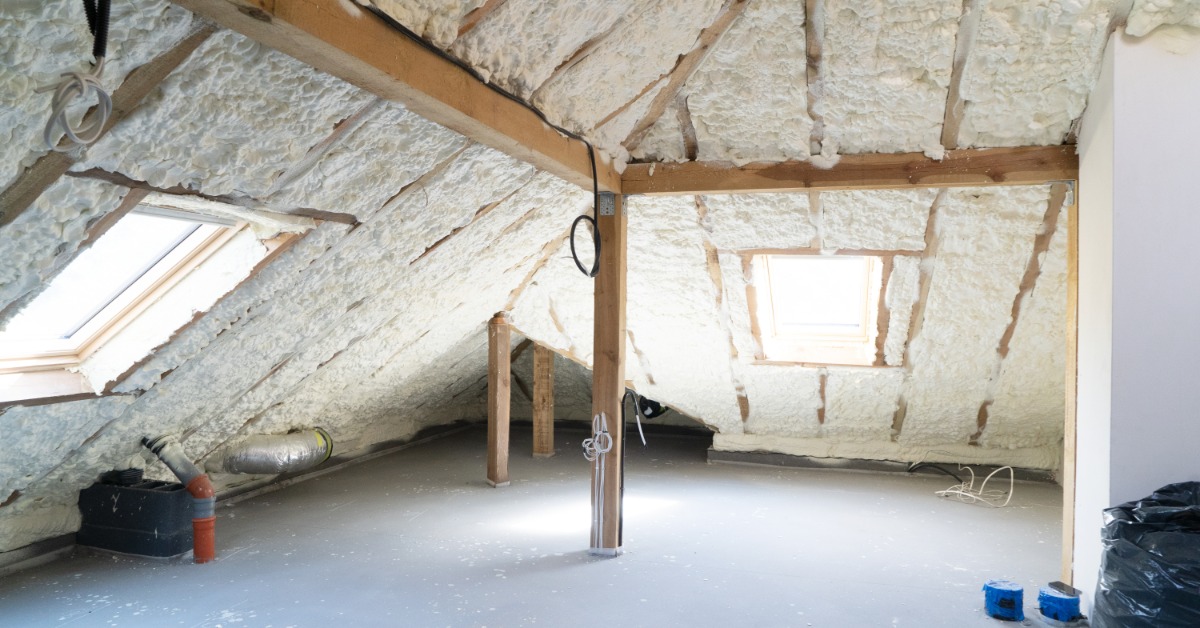
- Modern attic and wall insulation that improves indoor comfort and reduces heat transfer.
- High-performance windows that limit drafts and block excess solar heat gain.
- Heat pump systems that provide efficient heating and cooling without natural gas use.
- Smart thermostats that allow precise temperature control and detailed energy monitoring.
- Home battery storage units that increase resilience during outages and enhance solar performance.
- Low-flow plumbing fixtures that reduce water consumption and monthly utility expenses.
- Native landscape designs that lower irrigation demand while maintaining strong curb appeal.
Upfront Costs Versus Long-Term Returns
Initial project costs can appear high compared with basic cosmetic updates or minor repairs in older Bay Area properties today. However, many upgrades reduce utility bills and maintenance expenses over many years, which can offset early investment for patient owners. Financial payback depends on energy rates, home size, and household use patterns within each Bay Area market segment.
Appraisers may assign a higher value to homes with documented efficiency features and modern systems across competitive urban and suburban districts. Buyers often favor properties that promise lower monthly costs and predictable performance over time in volatile rate markets. Careful budget review and clear contractor bids help owners avoid surprise costs through project phases from start to final approval.
Water Use and Drought Response
Low-flow fixtures cut water use and reduce monthly utility expenses. Greywater systems reuse select household water for yard irrigation and soil health in drought-prone cities and towns. Native landscape design reduces demand while preserving attractive outdoor spaces for Bay Area homeowners who value curb appeal and resale.
Turf replacement programs offer rebates that offset project costs for qualified applicants across several Bay Area water districts. Rain barrels capture roof runoff and supply water for dry periods in areas with strict summer water limits. Efficient irrigation controls adjust schedules based on weather data and soil moisture.
Construction Quality and Contractor Choice
Project success depends on skilled labor and clear communication between homeowners and licensed contractors across the Bay Area region. Proper installation ensures systems perform as expected over many years within diverse climate conditions. Poor workmanship can reduce efficiency and shorten equipment life, which may erode projected cost savings for homeowners over time.
References and verified licenses help owners select reputable professionals for complex energy upgrade projects. Detailed contracts outline scope, timeline, and payment terms to prevent disputes and protect both parties across project work phases. As professional Bay Area home builders, Casa Utopia offers the best solutions for efficient home upgrades that will improve your quality of life.
Resale Value and Market Appeal
Energy-efficient features often attract buyers who compare total ownership costs across competitive Bay Area real estate markets. Disclosure reports that highlight upgrades can strengthen buyer confidence and support higher offers in select neighborhoods across the region. Appraised value may rise when systems show documented performance and recent installation dates within the past few years for resale.
Some buyers seek homes that align with personal environmental values and long-term cost goals. Others focus on comfort noise reduction and reliable indoor temperature control. Clear documentation helps sellers explain upgrade benefits at open house tours.
Financing Options and Incentives
State and local programs offer tax credits and rebates for qualified upgrades across the Bay Area region. Utility companies may provide incentives that reduce upfront project expenses for solar panels and other approved efficiency measures. Home equity loans present another path for owners who prefer fixed repayment terms over several years with stable rates.
Some contractors assist clients with rebate forms and program compliance steps across various city and county jurisdictions. Transparent cost estimates allow families to compare options with confidence before they commit funds to major home upgrades.
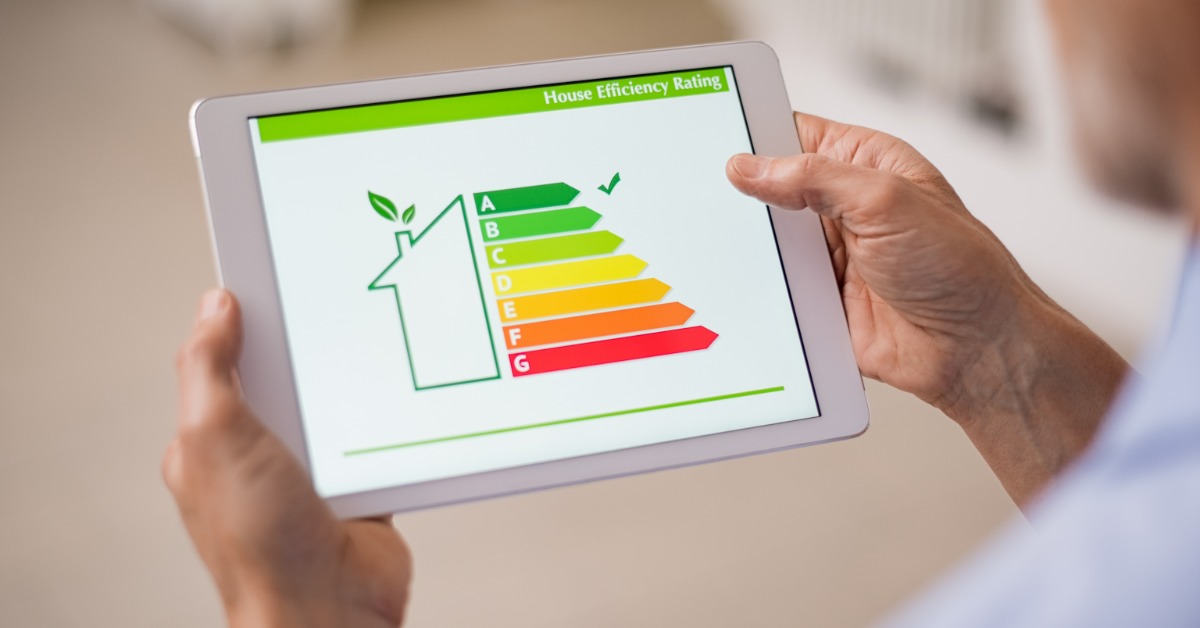
Detailed audits can clarify which measures offer the strongest financial outcome for specific Bay Area properties and budgets. Professional advice helps align the upgrade scope with structural conditions and code requirements within each city and county. With careful plans, energy-efficient upgrades in Bay Area homes can deliver comfort savings and durable value.
When owners review finances, consult trusted professionals, and select projects with care, they place themselves in a strong position. Thoughtful choices can reduce expenses, elevate comfort, and support property value over time. In a region famous for high costs and high standards, informed decisions often deliver durable rewards.