
Home renovation follows patterns that shape space, cost, and visual harmony in clear, practical ways for homeowners who seek order. One such pattern, called the rule of three, offers a structured method that balances design elements across rooms with intention. This concept rests on grouping ideas and features into sets of three to create rhythm and visual satisfaction.
Many designers rely on this rule to simplify decisions and prevent clutter within complex renovation plans that involve many moving parts. It helps align choices such as color palettes and textures in ways that feel natural to the human eye. When applied with care, the rule of three in remodeling a home can transform an ordinary process into a cohesive environment that feels refined and inviting.
Understanding the Rule of Three
The rule of three states that elements arranged in groups of three appear more appealing and memorable than other group sizes. Designers apply this idea across layout, color, and material choices to create harmony within a home renovation project. It relies on human perception patterns that favor triads over pairs or larger sets within visual compositions.
This principle does not restrict creativity, as it provides structure that supports decision-making during complex renovation tasks across multiple spaces. Homeowners often find that three coordinated features create enough variation without overwhelming the overall design direction within a room. The result feels intentional and composed, with each element reinforcing the others subtly and effectively.
Applying Balance Across Spaces
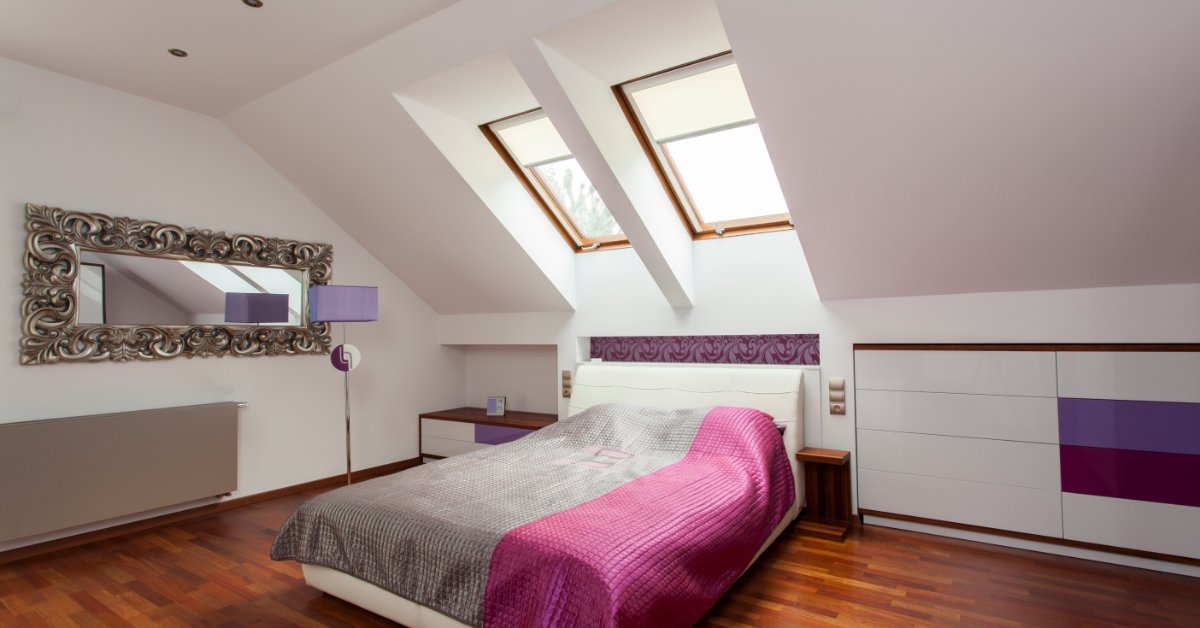
A remodel benefits from balance across rooms, and the rule of three helps distribute visual weight without excess or confusion. Designers often select three dominant colors that repeat across surfaces and furniture to maintain continuity throughout the home. This repetition creates a sense of flow that connects each room into a unified living environment.
Balance also extends to furniture placement, where three focal areas can anchor a room and guide movement through the space naturally. These focal points might include a feature wall and a seating arrangement that draws attention evenly. Each element supports the others, creating a stable composition that feels comfortable and purposeful.
Material Selection With Intent

Material choice plays a central role in remodeling, and the rule of three helps narrow options into a manageable and cohesive set. Homeowners often select three primary materials, such as wood, stone, and metal, to define the character of their interiors. This approach prevents visual overload and ensures that each surface contributes to a unified aesthetic.
Using too many materials can fragment the design, making spaces feel disconnected and inconsistent across the home. Limiting selections to three key materials creates a clear identity that carries through each room with consistency. This strategy supports durability and visual harmony without unnecessary complexity.
Color Coordination Strategies
Color schemes benefit greatly from the rule of three, as it establishes a foundation for contrast and cohesion within each room. Designers typically choose a dominant color, a secondary tone, and an accent shade to build depth and interest. These three colors interact to create a layered effect that feels balanced and engaging.
This structure allows flexibility, as each color can appear in varying proportions across walls and decorative elements. The dominant shade sets the tone, the secondary supports it, and the accent provides contrast and visual interest. Together, they form a palette that feels complete without appearing chaotic or excessive.
Creating Visual Rhythm
Visual rhythm refers to the repetition of elements that guide the eye through a space smoothly. The rule of three enhances this rhythm through repeated patterns and textures placed strategically throughout a room. This repetition creates movement that feels natural and pleasing to the observer.
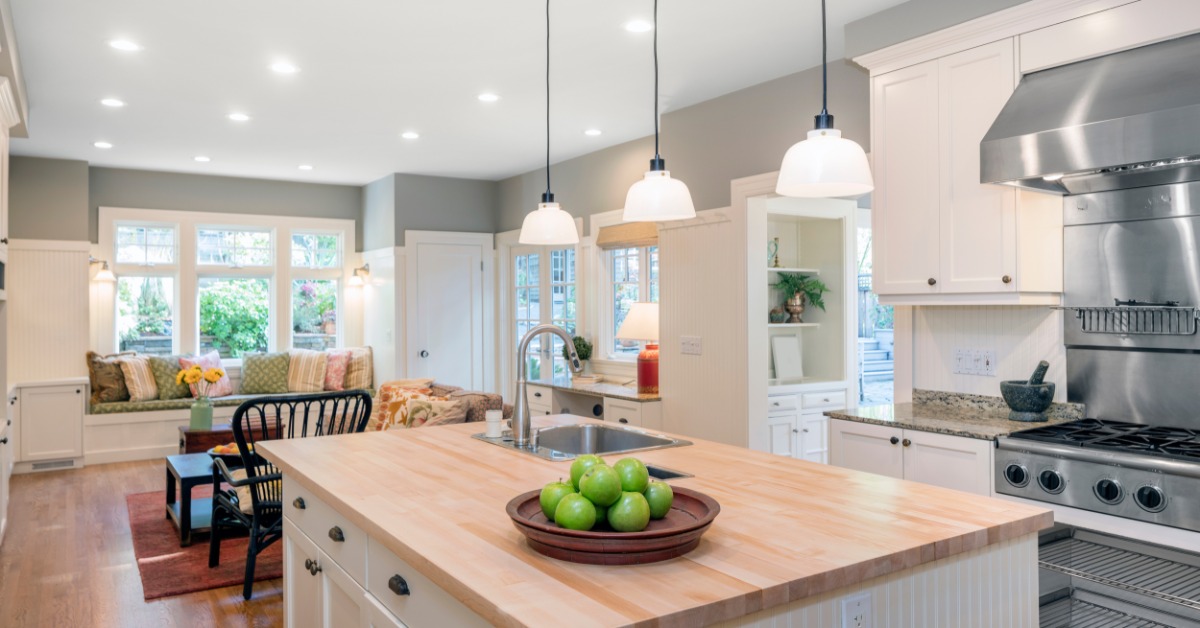
Three similar light fixtures placed along a ceiling can draw attention across a room in a deliberate path. This technique can also apply to decorative items such as artwork or shelving arrangements that repeat at regular intervals. The result is a sense of continuity that reinforces the overall design concept.
Enhancing Functional Layouts
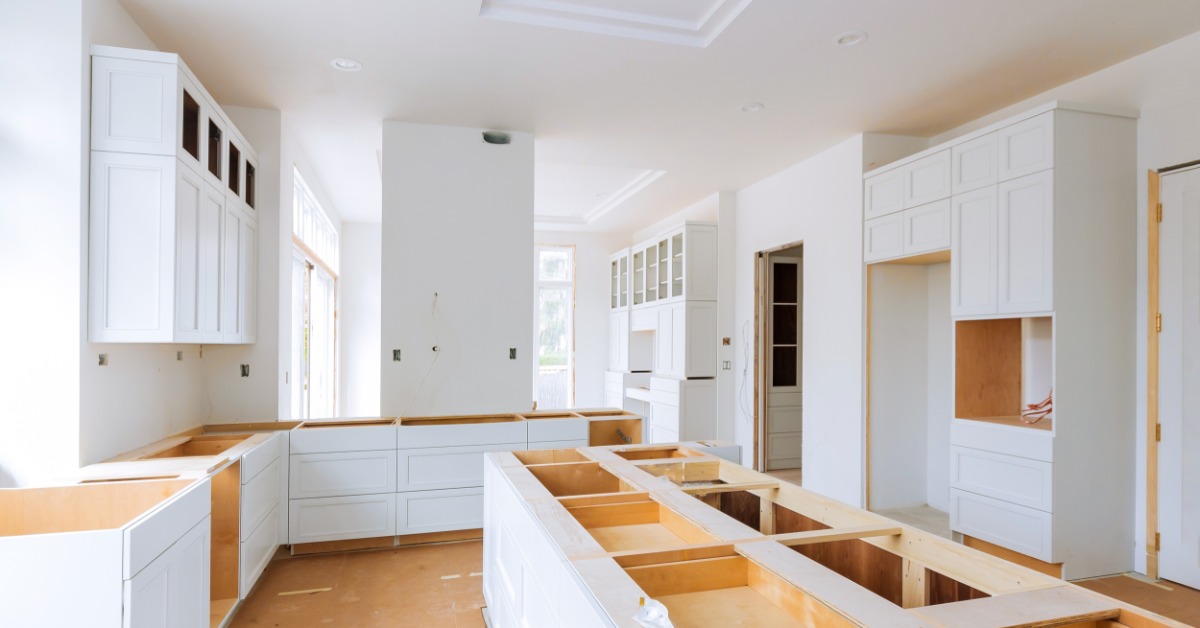
Function remains a key aspect of remodeling, and the rule of three can support practical layouts that serve daily needs effectively. Designers often organize spaces into three primary zones, such as preparation and relaxation areas within a room. This zoning ensures that each function receives adequate space and attention.
A kitchen may include zones for cooking and storage that align with this principle for efficient use. These zones interact smoothly, allowing movement without obstruction or confusion during daily routines. The structure promotes clarity and usability across the entire space.
Kitchen Remodeling and the Rule
Kitchen spaces often benefit from clear structure, and the rule of three can simplify decisions related to layout and appliances. Designers may choose three key focal points, such as cabinetry, countertops, and lighting, to define the kitchen’s character. This focus helps maintain clarity during complex renovation processes.
With the help of a professional kitchen remodeling company, you can align design choices with this principle to achieve beauty and function. Experts can recommend three complementary materials and layouts that support efficiency and visual appeal within the space. This approach reduces stress and leads to a more cohesive and satisfying outcome.
Avoiding Design Overload
One common challenge in remodeling involves too many competing ideas that disrupt the overall harmony of a space. The rule of three acts as a filter that limits excess and keeps the design focused on essential elements. This restraint ensures that each choice contributes meaningfully to the result.
When homeowners attempt to include every trend or feature, spaces can feel cluttered and lack clear direction or identity. Limiting selections to three main ideas preserves clarity and allows each element to stand out effectively. This method leads to a cleaner and more refined appearance throughout the home.
Budget Management Benefits
Budget control becomes easier when decisions follow a structured approach, such as the rule of three, during remodeling projects. Focusing on three primary elements helps allocate funds more effectively across materials and design features. This prioritization prevents overspending on unnecessary additions.
You can invest in quality within these three areas rather than spreading resources too thin across many features. This targeted investment often results in higher satisfaction and better long-term value for the property. It also simplifies planning and reduces financial uncertainty during the renovation process.
The rule of three during home renovations offers a practical and effective framework for home remodeling that balances aesthetics, function, and simplicity across every design decision. It reduces complexity and creates environments that feel natural and visually satisfying for homeowners. This principle serves as a reliable foundation for small updates and large renovation projects.
With this concept, you can achieve spaces that reflect their vision without unnecessary confusion or excess. The structure encourages clarity and intentional design choices that ensure longevity. In the end, the rule of three transforms remodeling from a daunting process into a manageable and rewarding experience.