A roof replacement represents a major investment that protects a home while it preserves structural integrity and enhances overall property value through a carefully managed construction process. Many homeowners approach this project with questions about timing, materials, costs, and expectations since each phase involves specialized work that must follow a precise order.
A clear understanding of the full step-by-step roof replacement process helps reduce uncertainty while supporting confident decision-making. The process involves more than simple material exchange, as it requires coordination among multiple teams that execute each phase with accuracy. From the initial evaluation to the final inspection, every step contributes to durability and visual appeal.
Initial Inspection and Project Assessment
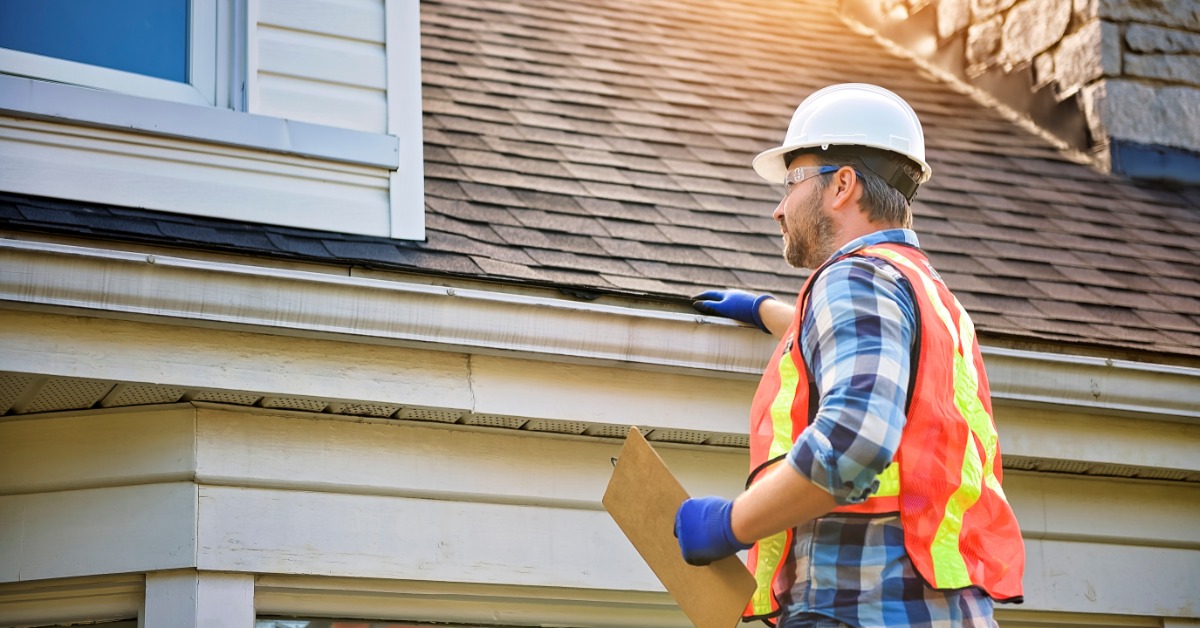
A professional team begins with a thorough inspection that evaluates structural condition and visible damage across the entire roofing system. They examine shingles, flashing, underlayment, and decking, identifying weaknesses that require repair or replacement before any new materials arrive. This stage establishes cost estimates and a clear plan that aligns expectations between contractor and homeowner.
Accurate assessment ensures that hidden issues do not disrupt progress once work begins, reducing delays and unexpected expenses during installation. Specialists document findings with photos and notes, then explain recommendations in straightforward terms that help clients make informed decisions. A detailed proposal outlines materials and warranties, creating transparency before the project moves forward.
Material Selection and Scheduling
Material selection shapes performance and cost, making this stage essential for achieving desired results that match climate demands and design goals. Options include asphalt shingles, metal panels, clay tiles, or composite products, each with distinct benefits related to durability and maintenance. Contractors assist clients in comparing features, ensuring compatibility with structural requirements and aesthetic preferences.
Scheduling follows material decisions, with timelines that consider weather patterns and delivery logistics for chosen products. A clear schedule helps coordinate preparation permits and inspections, reducing uncertainty for homeowners during the project timeline. Effective communication keeps all parties aligned, ensuring readiness when installation begins without unnecessary disruption to daily routines.
Site Preparation and Safety Measures
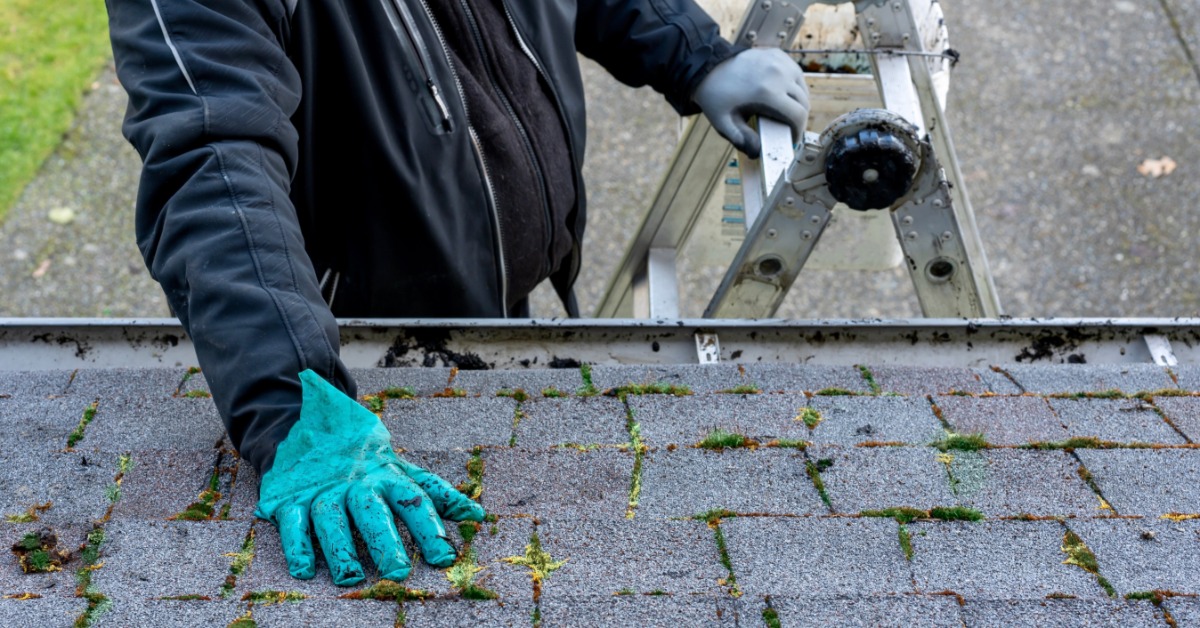
Before removal begins, crews prepare the site with protective coverings that shield landscaping, windows, and exterior features from debris and potential damage. Safety equipment establishes a controlled environment that prioritizes worker and resident protection. This preparation phase also includes organizing tools and materials for efficient workflow throughout the project.
Proper preparation reduces risks and improves efficiency, allowing teams to focus on precise execution once removal starts on the existing roof. Contractors review safety protocols with crew members, ensuring compliance with industry standards and local regulations for construction work. Homeowners receive guidance about access and temporary adjustments that support a smooth and safe project experience.
Removal of Existing Roofing Materials
The removal phase involves stripping old shingles, underlayment, and flashing to expose the underlying structure for detailed evaluation and preparation. Crews work systematically across sections, placing debris into containers that maintain a clean and organized work area throughout the process. Careful removal prevents unnecessary damage to decking, preserving structural integrity before new materials arrive for installation.
Disposal follows local regulations, with contractors ensuring proper handling and transport of waste materials to approved facilities for environmental compliance. This stage reveals hidden issues that require prompt attention before installation continues. Addressing these concerns early helps avoid complications that could compromise the performance and lifespan of the new roof.
Deck Inspection and Structural Repairs
Once the surface clears, professionals inspect the roof deck for signs of damage, including soft spots, cracks, or moisture that weakens support. Any compromised sections receive repair or replacement to create a stable base that supports new materials with reliability and strength. This step ensures the roof structure meets safety standards and provides long-lasting performance under varying weather conditions.
Structural repairs may include reinforcing framing or improving ventilation components that contribute to overall system efficiency. Contractors use quality materials that match or exceed existing standards, maintaining consistency across the entire roof structure. A sound deck forms the foundation for successful installation, preventing future issues that could lead to costly repairs.
Flashing and Vent Installation
Flashing installation focuses on areas vulnerable to water intrusion, such as valleys, chimneys, skylights, and roof intersections that require additional sealing. Metal components direct water away from critical points, preventing leaks and preserving structural integrity during heavy rainfall or snow accumulation. Proper placement and sealing ensure these elements perform effectively throughout the lifespan of the roof.
Vent installation supports airflow within the attic space, reducing heat buildup and moisture accumulation that can damage materials and decrease efficiency. Balanced ventilation improves indoor comfort and extends the life of roofing components through consistent temperature control. This stage integrates functional elements that enhance durability while maintaining the overall performance of the roofing system.
Installation of New Roofing Materials
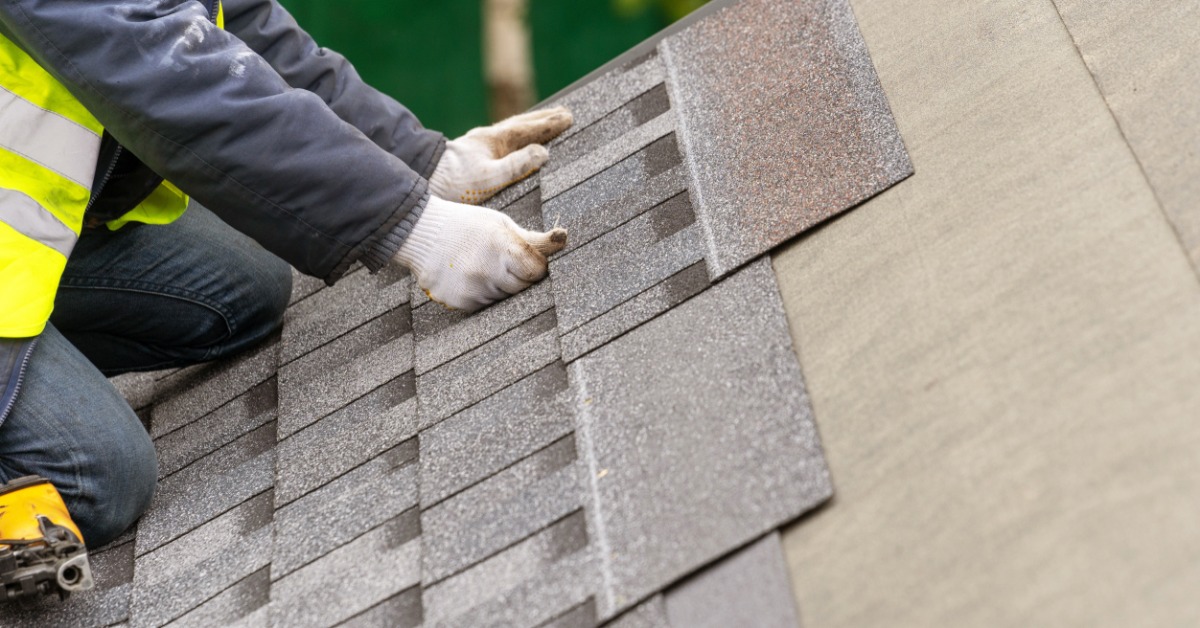
With preparation complete, crews begin installing selected roofing materials according to manufacturer specifications and industry best practices for optimal performance. Each piece receives careful placement, ensuring alignment and consistent spacing across the roof surface for a uniform appearance. Attention to detail during this stage directly influences durability and weather resistance.
With premium Bay Area construction services, Casa Utopia offers expertise that ensures precise installation, delivering reliable results tailored to regional climate demands. Skilled professionals follow established methods that maximize product lifespan while maintaining structural integrity under diverse environmental conditions. The installation phase transforms the roof into a protective system that enhances both function and visual appeal.
Cleanup and Debris Removal
After installation concludes, crews conduct a thorough cleanup that removes debris, nails, and leftover materials from the property and surrounding areas. Magnetic tools help collect small metal pieces, ensuring safety for residents and vehicles once the project reaches completion. Organized cleanup restores the site to its original condition, reflecting professionalism and respect for the homeowner’s space.
Waste disposal follows environmental guidelines, with contractors transporting materials to appropriate facilities that handle construction debris responsibly. A clean site allows homeowners to resume normal activities without concern about hazards or residual mess from the project. This phase demonstrates commitment to quality service beyond installation, reinforcing trust between contractor and client.
Final Inspection and Quality Assurance
The final inspection verifies that every component meets standards for performance and appearance before the project receives formal completion approval. Inspectors review installation details, ensuring proper alignment, secure fastening, and effective sealing across all areas of the roof. Any adjustments receive prompt attention, guaranteeing that the finished system performs as intended.
Quality assurance includes reviewing warranties and documentation that support future care of the roofing system. Contractors explain these details clearly, helping homeowners understand how to preserve the roof’s condition over time. This is one of the main steps for a professional roof replacement final that confirms the result meets expectations and delivers lasting protection for the property.
A roof replacement follows a logical sequence that begins with inspection and ends with verification, each stage contributing to a durable and reliable result. Understanding this process helps homeowners prepare for the project, communicate effectively with contractors, and make informed decisions about materials and timelines. With proper execution and professional oversight, a new roof provides lasting protection and enhanced value for any property.