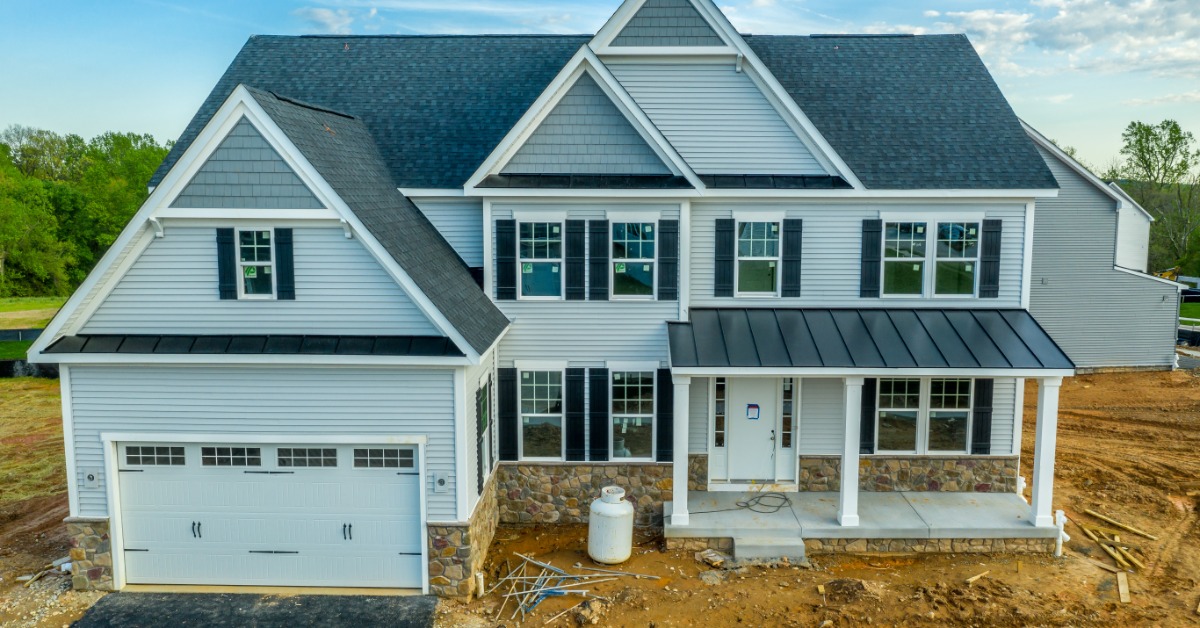
Custom homes and spec homes each reflect distinct paths toward homeownership, and each path carries clear expectations and tradeoffs. Buyers often face a complex decision that blends design freedom, timelines, budgets, and personal involvement across each project phase. A clear understanding of both options supports confident decisions that align with lifestyle goals and financial plans.
Choosing between a custom home and a spec home often shapes the house itself, but also the entire experience. From initial planning through final completion, each option presents unique demands and opportunities that influence satisfaction with the final result. Careful evaluation of each approach helps homeowners move forward with clarity and realistic expectations.
Design Freedom and Personal Control
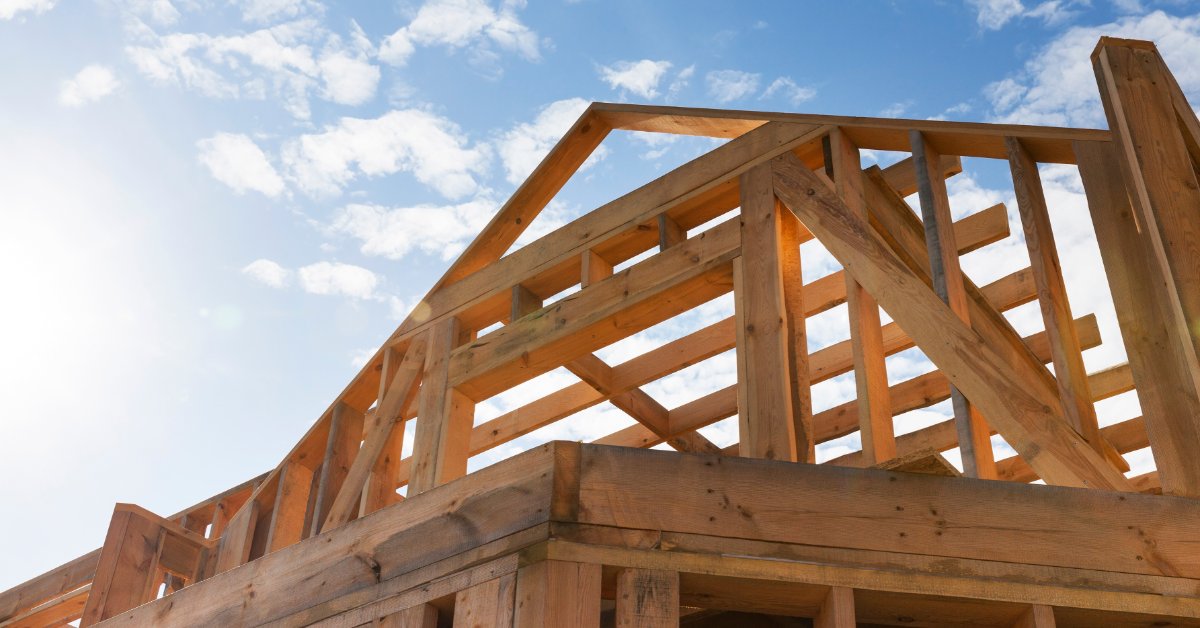
Custom homes allow owners to shape each detail with intention, from layout decisions to material choices that reflect personal taste and daily habits. This approach places control in the hands of the owner, with direct input on finishes and unique elements throughout construction. Many buyers value this flexibility, as it supports a home that feels distinct and tailored to their vision.
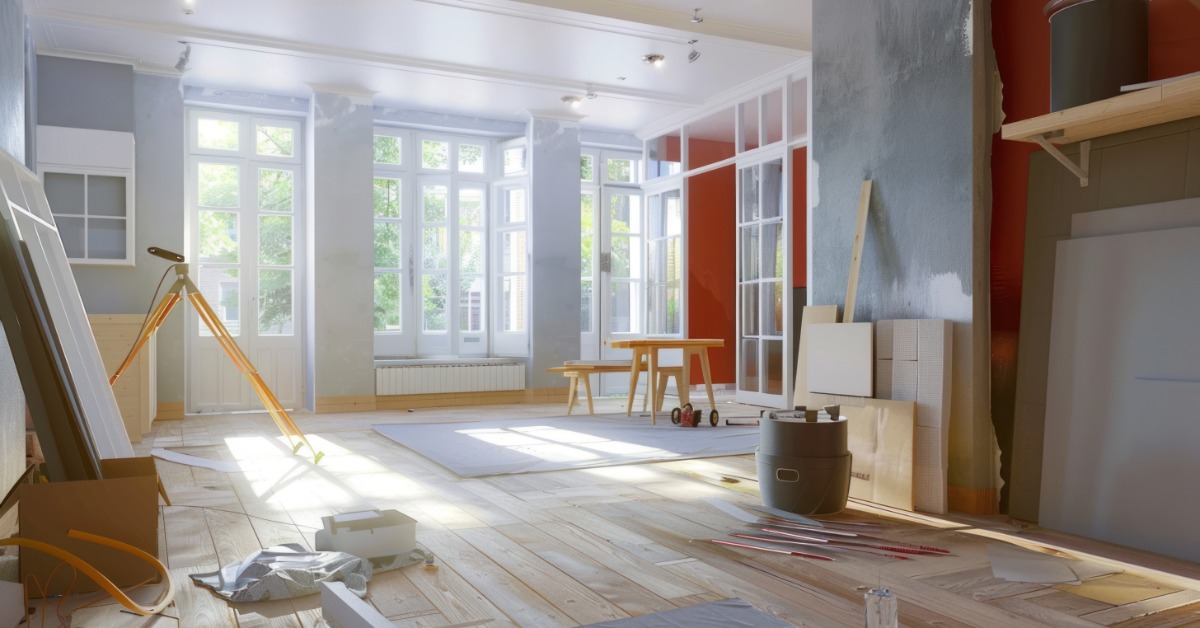
Spec homes follow a different model, where builders complete designs before buyers enter the process, often with limited room for changes. This approach offers a finished product that reflects current market trends, with layouts that appeal to a wide range of buyers. Buyers gain clarity on the result early, though personal input remains limited compared to custom construction.
Budget Structure and Financial Clarity
Custom homes present a variable cost structure that depends on design choices, material quality, and project complexity across each phase of development. Costs can shift when changes occur, and owners must monitor expenses to maintain alignment with initial financial plans. This approach offers flexibility, though it requires careful oversight and a willingness to adjust expectations when necessary.
Spec homes provide a more predictable cost structure, as the builder sets pricing based on completed or near-completed construction. Buyers review a fixed price that reflects current market conditions, with fewer variables that could affect final expenses. This clarity appeals to those who prefer a defined budget without frequent adjustments during the process.
Location Selection and Site Considerations
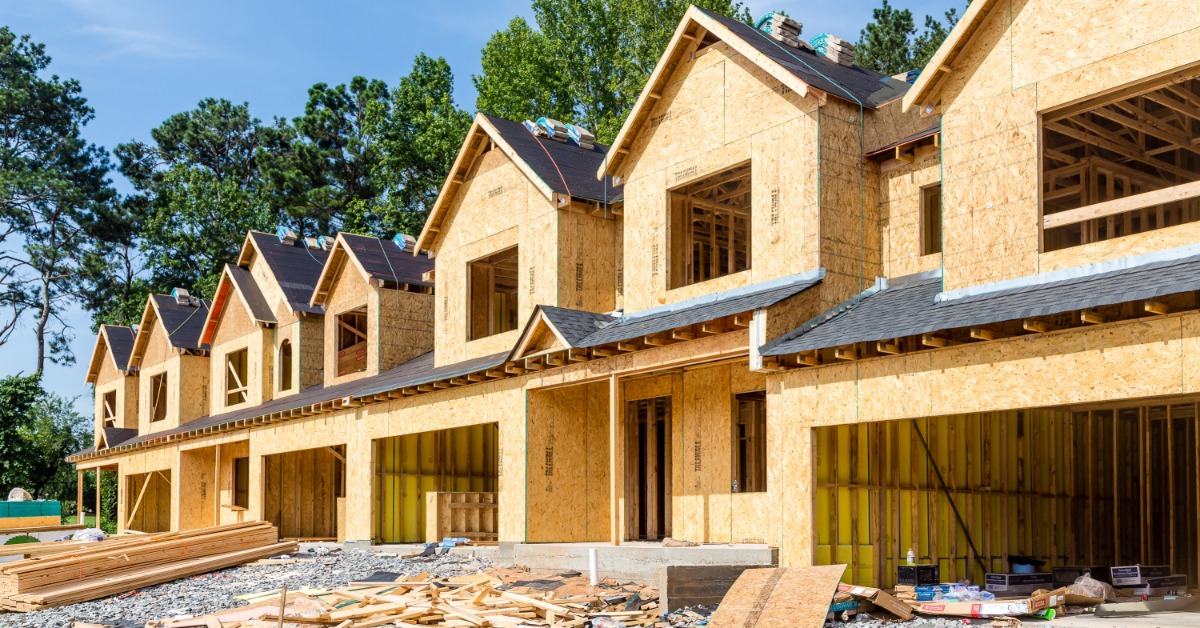
Custom home buyers often select their own lot, which allows them to prioritize views, privacy, and proximity to work or community amenities. This level of control supports a tailored experience, as the home design can respond directly to site conditions and personal preferences. Each location choice becomes an integral part of the overall design strategy.
Spec homes usually stand within planned communities or builder-selected neighborhoods, where location choices reflect broader development plans and market demand. Buyers benefit from established infrastructure and cohesive community design, though site selection options remain limited. This model suits those who value convenience and a ready-made neighborhood environment.
Architectural Style and Unique Expression
Custom homes support a wide range of architectural styles, allowing owners to pursue a vision that aligns with personal taste and cultural influences. Designers can incorporate unique features, distinctive layouts, and specialized materials that set the home apart from standard designs. This freedom encourages creativity and results in a space that feels personal and expressive.
Spec homes often follow popular architectural trends that appeal to a broad audience, with layouts that balance style and practicality across different buyer groups. Builders focus on designs that perform well in the market, which can limit unique expression. Buyers receive a polished product, though it may not reflect highly specific design preferences.
Construction Quality and Material Choices
Custom construction allows direct input on materials and craftsmanship standards, which can influence durability and performance throughout the home. Owners can select premium options that align with long-range goals and personal standards for quality. This level of involvement supports a tailored outcome, though it requires active participation in decisions.
Spec homes rely on builder-selected materials that balance quality with cost efficiency, often based on proven performance and market expectations. Builders aim to deliver consistent results across multiple projects to support reliability and efficiency in construction. Buyers receive a completed product, though material choices remain largely predetermined.
Energy Efficiency and Modern Systems

Custom homes offer the opportunity to integrate advanced systems and design strategies that align with sustainability goals and future performance standards. Owners can incorporate features that support efficiency across heating, cooling, and overall energy use within the home. This approach supports a forward-focused design that adapts to evolving expectations.
Spec homes often include standard energy features that meet current codes and builder practices, with systems designed for broad appeal and reliable performance. Builders may include upgrades in select models, though options remain limited compared to custom projects. Buyers receive a home that meets established standards without extensive customization.
Market Appeal and Resale Potential
Custom homes can achieve strong resale value when design choices align with market preferences and location demand. Owners must consider how design decisions could influence future buyers when planning unique elements within the home. A balanced approach supports both personal satisfaction and market adaptability.
Spec homes often reflect current buyer preferences, supporting resale potential within established neighborhoods and market conditions. Builders design these homes to attract a wide audience, which can enhance appeal during resale. Buyers benefit from a product that aligns with common expectations, though it may lack distinctive features.
Professional Craft and Local Expertise
Custom home construction benefits from experienced builders who understand regional conditions, design trends, and construction practices that align with local expectations. As a premium custom home builder in the Bay Area, Casa Utopia can deliver refined craftsmanship and thoughtful design that reflect client vision. This level of expertise supports a home that integrates style and lasting quality across every detail.
Spec home construction also relies on professional builders who bring efficiency and consistency to each project within a defined process. Builders apply proven methods that support reliable outcomes and streamlined timelines across multiple homes. Buyers receive a completed product that reflects established standards within the local market.
Lifestyle Fit and Daily Functionality
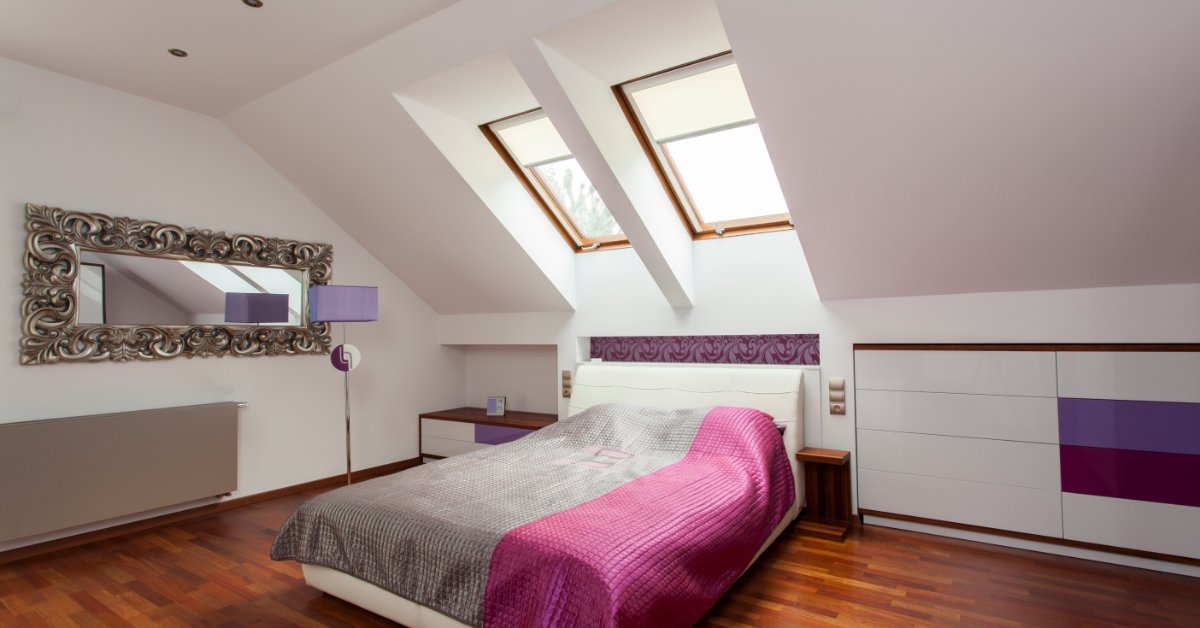
Custom homes allow owners to design spaces that align closely with daily routines and personal habits across each area of the home. Layout decisions can reflect specific uses, from home offices to entertainment spaces that suit individual preferences. This level of alignment supports comfort and functionality within daily life.
Spec homes offer layouts that suit general lifestyle patterns, with designs that balance common needs across different buyer groups and household types. Buyers receive a functional space that meets standard expectations, though it may not address highly specific requirements. This approach supports practicality within a broader framework of use.
The differences between custom and spec homes offer distinct paths that reflect priorities and levels of involvement across the homebuilding process. Buyers must weigh factors such as cost and convenience to determine whether the approach aligns with personal goals and expectations. A clear understanding of these differences supports informed decisions that lead to greater satisfaction with the final home.
Each option holds value depending on individual needs, whether a buyer seeks a tailored experience or a ready solution within a defined timeframe. Careful evaluation of design flexibility, financial structure, and lifestyle fit helps guide the decision toward the most suitable choice. With the right approach, buyers can secure a home that meets both present needs and future aspirations.