A custom home gives you the freedom to create a space that reflects your lifestyle instead of adapting to someone else’s vision. That freedom feels exciting. It can also make decisions difficult once practical needs, personal wants, architectural ideas, and financial limits begin to compete.
Not every feature deserves equal priority. Some choices affect comfort and function every day, whereas others add character without having the same impact on daily life. Understanding the differences between custom home must-haves and nice-to-haves will help you protect the parts of the home that matter most.
Your priorities should come from the way you live. A dramatic feature may look impressive, but it can offer little value if your household rarely uses it. Practical choices often provide greater satisfaction because they support the routines that define life at home.
Let Your Lifestyle Shape the Design
Start with your normal routine. Think about where your household spends the most time and how each space could make those daily moments feel more comfortable. A room deserves priority when its purpose connects directly with the way you live rather than an idea that simply looks attractive.
Your personal habits can reveal needs that floor plans alone cannot show. Frequent meals at home may justify more kitchen space, whereas regular remote work can make a private office far more important. Let real life shape the design instead of trends that may lose their appeal after a few years.
Set a Budget With Clear Priorities
A realistic budget gives your project direction. Without clear limits, optional features can slowly consume funds that should support structural choices and spaces with greater everyday value. Decide what you can comfortably invest before expensive materials or elaborate upgrades begin to influence your plans.
Protect funds for the features you consider essential. Once those priorities have adequate financial support, you can decide how much room remains for details that would simply be pleasant additions. This approach gives you freedom to enjoy optional upgrades without putting the overall project under unnecessary financial pressure.
Make the Floor Plan Work First
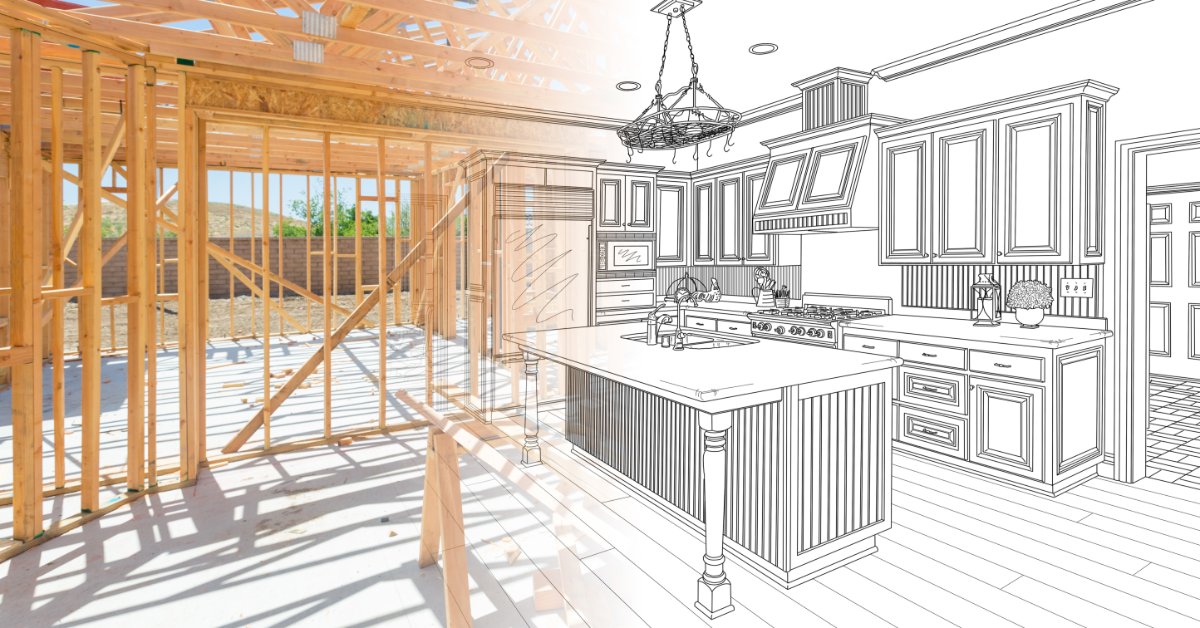
A strong floor plan shapes how the entire home feels. Rooms should connect naturally without awkward paths, wasted areas, or unnecessary barriers that make simple routines harder than they need to be. Good flow can make a home feel spacious even when the overall footprint remains relatively modest.
Picture yourself inside each room before construction begins. Consider where furniture may sit and whether doors or windows could interfere with natural movement through the space. These details matter far more than decorative finishes because the floor plan becomes difficult to alter once the home reaches completion.
Protect Permanent Design Decisions
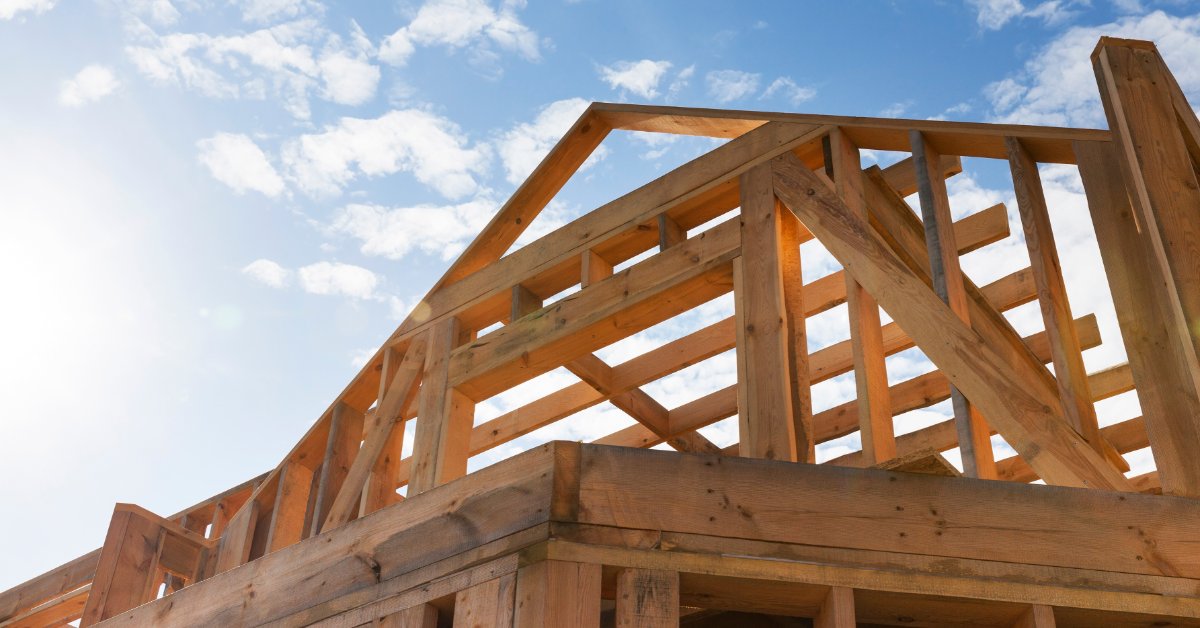
Some choices deserve more attention because they become difficult to change later. Ceiling heights, structural walls, window locations, stair placement, and room dimensions can require extensive work if you regret them after construction. Give these permanent elements priority before you devote too much of the budget to surface details.
With professional custom home construction in the Bay Area, Casa Utopia can help you identify permanent choices that deserve priority before optional details consume your budget. Experienced input can bring clarity when several features compete for attention. That perspective helps you invest in the foundation of the design before you focus on elements that remain easy to replace.
Create a Kitchen for Real Life
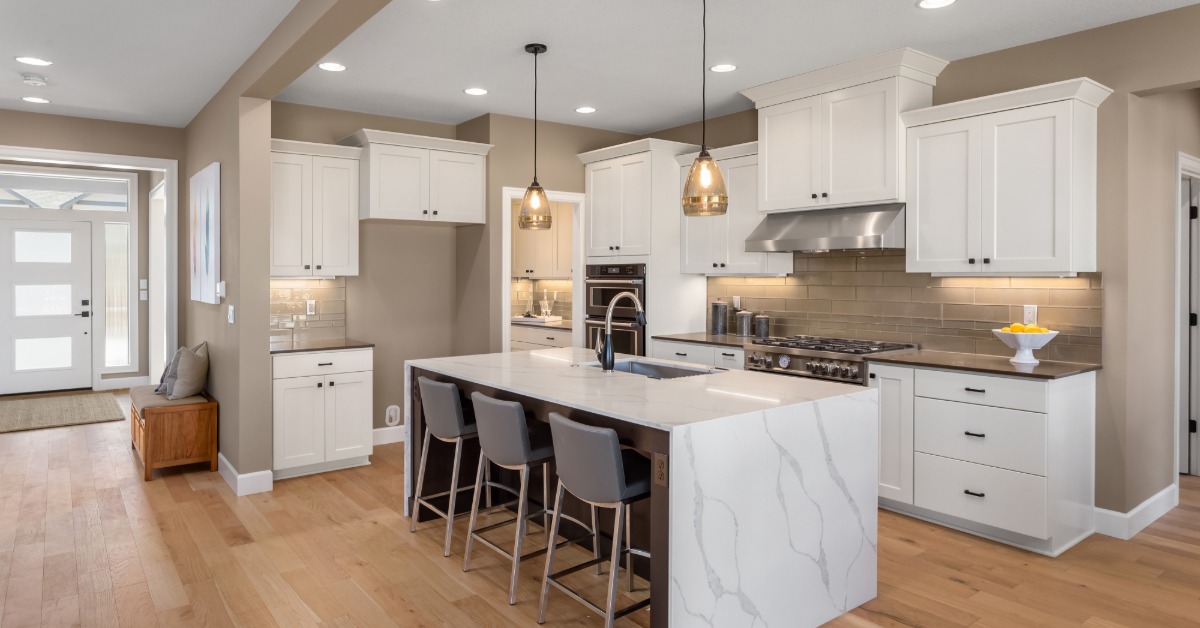
Your kitchen should match your actual habits. A household that prepares meals often may need generous preparation space and easy access between the areas used throughout each day. Another household could value a smaller kitchen that leaves more room for social spaces elsewhere in the home.
Avoid features that serve an imagined lifestyle rather than your real routine. An elaborate appliance or oversized island may appear attractive but offer limited value if it rarely supports the way you use the room. Give priority to a kitchen that feels comfortable and natural every time you enter it.
Put Storage Where You Need It
Useful storage can transform the feel of a home. Instead of adding cabinets wherever space remains, consider where possessions naturally accumulate and where you need access to them most often. Thoughtful placement can keep rooms calm without sacrificing valuable floor space for storage that serves no clear purpose.
More storage does not always mean greater convenience. Oversized closets may consume space that could improve a bedroom, hallway, kitchen, or another area that your household uses far more often. Design storage around real possessions and routines rather than an assumption that every available wall needs another cabinet.
Leave Room for Life to Change
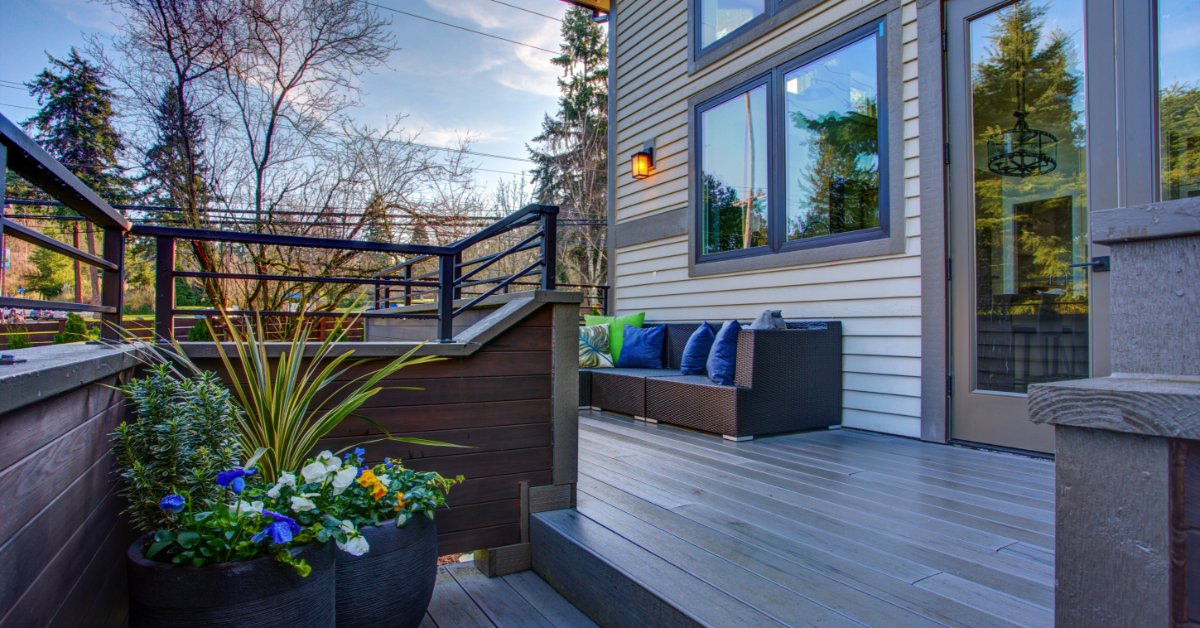
Your home should serve you now without becoming too rigid for the future. Work routines and personal priorities can change across the years after you first move into the property. Flexible spaces give the home room to adapt without expensive structural changes whenever life takes a different direction.
A private room can serve several purposes across different stages of life. It may start as an office and later become a guest room or comfortable space for another household need. Versatility often provides greater value than a specialty room with a purpose that could become irrelevant over time.
Be Selective With Luxury Features
Luxury can make a custom home special when it reflects something you genuinely enjoy. Problems arise when expensive features enter the design because they look impressive rather than because they support your lifestyle. Ask whether you would still value the feature once the excitement of the new home has passed.
A specialty space should earn its place within the floor plan. If another flexible room can serve the same purpose without sacrificing comfort, the extra feature may belong lower on your priority list. Selective choices can make the luxuries you keep feel more personal because each one has a meaningful role.
Design for Everyday Comfort
Comfort often comes from details that receive less attention than dramatic finishes. Natural light and easy movement can shape how you feel inside the home from morning through night. These factors deserve early attention because they influence the experience of nearly every room.
Bay Area properties can face very different conditions based on their site and orientation. Window placement or room location can affect sunlight and interior comfort far more than a decorative upgrade that simply changes appearance. Design around the property itself to create spaces that feel pleasant throughout regular daily use.
The difference between a must-have and a nice-to-have comes down to personal value. Features that support your budget and future needs deserve priority because they shape how the home works every day. Optional details can follow once the foundation of your ideal lifestyle has a secure place within the design.
Casa Utopia can help Bay Area homeowners translate personal priorities into a custom home that feels intentional rather than excessive. Thoughtful decisions allow practical spaces and personal details to complement each other without unnecessary features taking control of the project. When every major choice has a clear purpose, your completed home can remain comfortable and personal for years.