
Creating a kitchen that reflects style and function demands thoughtful material choices, especially when it comes to flooring selection. The floor supports every movement, anchors every design element, and shapes the atmosphere of the entire space. A well-chosen surface can elevate comfort and ensure long-term satisfaction throughout daily kitchen use.
Many homeowners face uncertainty when they explore flooring options due to the wide range of materials and finishes available. Each option offers unique strengths, yet each presents tradeoffs that require careful evaluation before a final decision can take place. This guide on choosing flooring for your kitchen remodel will help you choose the options that meet aesthetic goals, performance needs, and home expectations.
Understanding Kitchen Flooring Demands
Kitchen floors endure heavy foot traffic, frequent spills, and exposure to heat from appliances that operate throughout the day. These conditions require materials that resist wear and maintain stability under constant use without visible damage. A thoughtful selection process ensures the surface meets functional needs without sacrificing visual appeal within the broader kitchen design.
Durability stands as a primary factor when you evaluate flooring since daily kitchen activity places continuous pressure on every surface area. Strong materials such as tile, vinyl, and hardwood can handle repeated use while maintaining structure and appearance over extended periods. Selecting a resilient option helps prevent costly repairs and maintains a clean, polished look throughout years of consistent kitchen use.
Evaluating Moisture Resistance
Water exposure remains one of the most significant challenges within any kitchen environment due to spills, leaks, and routine cleaning practices. Flooring materials must resist absorption that could compromise safety and appearance. Proper moisture resistance helps maintain hygiene and extends the lifespan of the kitchen floor.
Porous materials often require sealing treatments to enhance resistance against water, while non-porous surfaces provide built-in protection without additional maintenance steps. Vinyl, tile, and certain engineered products perform well under these conditions due to their protective surface layers. Choosing the right material ensures peace of mind when water exposure occurs during normal kitchen activities.
Considering Comfort Underfoot
Kitchen tasks often require long periods of standing, which makes comfort an important factor when selecting the right flooring material. Hard surfaces can cause fatigue, while softer options provide cushioning that reduces strain on joints and muscles over time. Comfort influences daily experience and contributes to overall satisfaction within the kitchen environment.
Materials such as cork and luxury vinyl offer a balance between durability and softness, creating a surface that supports prolonged standing without discomfort. These options absorb impact and reduce pressure while maintaining resilience against wear from regular kitchen activity. A comfortable floor enhances usability and promotes a more enjoyable cooking and dining experience.
Exploring Style and Design Harmony
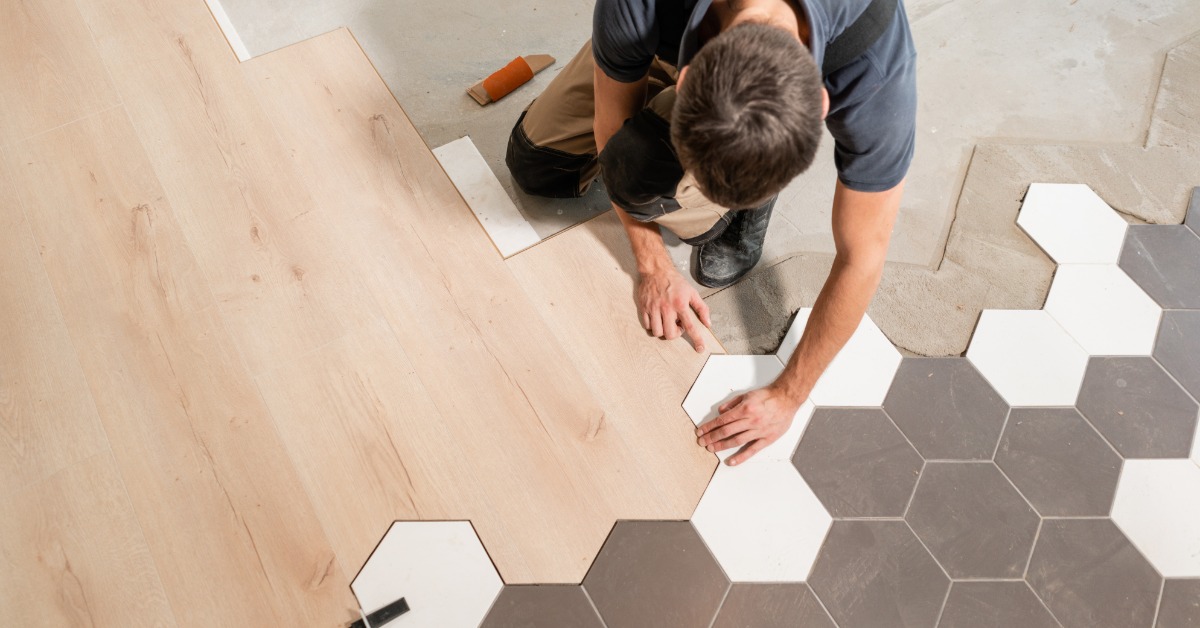
Flooring defines the visual identity of the kitchen, complementing cabinetry, countertops, and wall finishes throughout the space. A cohesive design requires careful coordination of color and pattern to create a balanced and appealing environment. The right floor ties all elements together and enhances the overall aesthetic impact.
Neutral tones offer versatility and allow other design features to stand out, while bold patterns create a focal point that adds character. Natural textures such as wood grain or stone patterns bring warmth and authenticity to the kitchen design. Selecting a style that aligns with personal taste ensures a cohesive and visually pleasing kitchen space.
Assessing Maintenance Requirements
Different flooring materials require varying levels of care, which can influence satisfaction and practicality within the kitchen environment. Some surfaces demand regular sealing or polishing, while others need only simple cleaning routines to maintain appearance. Understanding maintenance needs helps prevent future inconvenience and ensures the floor remains attractive over time.
Low-maintenance options, such as vinyl and tile, resist stains and allow easy cleaning with basic household products, making them ideal for busy kitchens. Materials that require specialized care may suit homeowners who prefer premium finishes and are willing to invest time in upkeep. Choosing a manageable option ensures consistency in cleanliness and appearance.
Budget Considerations and Value
Cost plays a significant role when selecting kitchen flooring, yet value extends beyond initial purchase price to include durability and maintenance expenses. A lower cost option may require frequent replacement, while a higher investment can deliver performance and reduced upkeep costs. Evaluating overall value helps achieve a balanced financial decision.
Setting a clear budget allows you to narrow options and focus on materials that meet financial and functional requirements. Comparing installation costs alongside material expenses provides a complete picture of total investment. A well-planned budget ensures satisfaction without unnecessary financial strain during the remodeling process.
Professional Support and Expertise
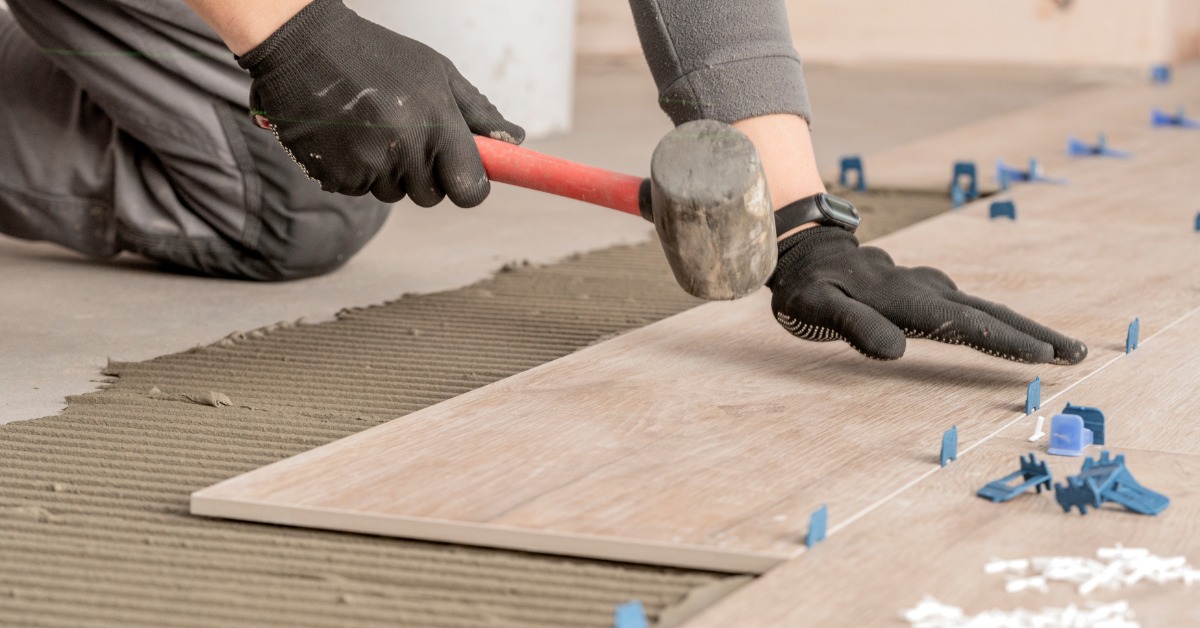
Expert insight can simplify the decision process and ensure that all factors receive careful evaluation before a final selection takes place. Professionals understand material performance, installation requirements, and design coordination, which helps avoid costly mistakes. Their experience supports informed decisions that align with aesthetic and functional goals.
Working with a professional kitchen remodeling company will help ensure precise installation, appropriate material selection, and a cohesive design that enhances the overall kitchen environment. Professional guidance provides clarity and confidence throughout the remodeling process from initial planning to final execution. This support leads to a polished result that reflects quality craftsmanship and thoughtful design choices.
Environmental Impact and Sustainability
Sustainable flooring options have gained attention as homeowners seek environmentally responsible choices that reduce impact on natural resources. Materials such as bamboo, cork, and recycled products offer eco-friendly alternatives without sacrificing durability or style. These options support responsible consumption and align with modern environmental values.
Choosing sustainable materials often involves evaluating production processes, sourcing and environmental effects associated with each option. Certified products provide assurance that the material meets established environmental standards and ethical guidelines. An eco-conscious choice contributes to a healthier home and a healthier planet.
Performance Expectations
Selecting kitchen flooring requires attention to performance, as the material must withstand daily use without significant deterioration over time. Durability, maintenance, and resistance to environmental factors all contribute to overall longevity. A reliable choice ensures the kitchen remains functional and visually appealing for many years.
Evaluating warranties and product specifications provides insight into expected lifespan and performance under typical kitchen conditions. High-quality materials often include guarantees that reflect confidence in their durability and resilience. A long-term perspective ensures that the flooring investment delivers lasting value and satisfaction.
Choosing the right kitchen flooring for a remodel requires a balance between durability, comfort, style, and budget, all of which influence the outcome. Each decision impacts daily use and satisfaction, making careful evaluation essential throughout the selection process. A thoughtful approach ensures the chosen material supports functional needs and design preferences.
With proper planning and consideration of key factors, you can select flooring that enhances your kitchen while providing reliable performance over time. The right choice creates a space that feels cohesive, comfortable, and visually appealing while meeting the demands of daily activity. A well-selected kitchen floor serves as a foundation for style and practicality.Top of FormBottom of Form