The dream of constructing a personal residence from the ground up captures the imagination of many homeowners. It represents the ultimate opportunity for self-expression, allowing individuals to tailor every detail to their specific preferences. Unlike purchasing an existing property, a bespoke house offers freedom from the compromises of previous owners’ choices.
You select the floor plan, the materials, the fixtures, and the exact location of the structure. This level of control ensures that the final product aligns perfectly with your lifestyle and functional needs. However, the path to completion involves numerous decisions, significant financial investment, and complex logistical coordination.
Success requires careful attention to detail and a clear understanding of the entire construction process. From the initial acquisition of land to the final walkthrough, each phase demands focus and foresight. Learning the key factors to consider when building a custom home will help you navigate the complexities of construction with confidence and clarity.
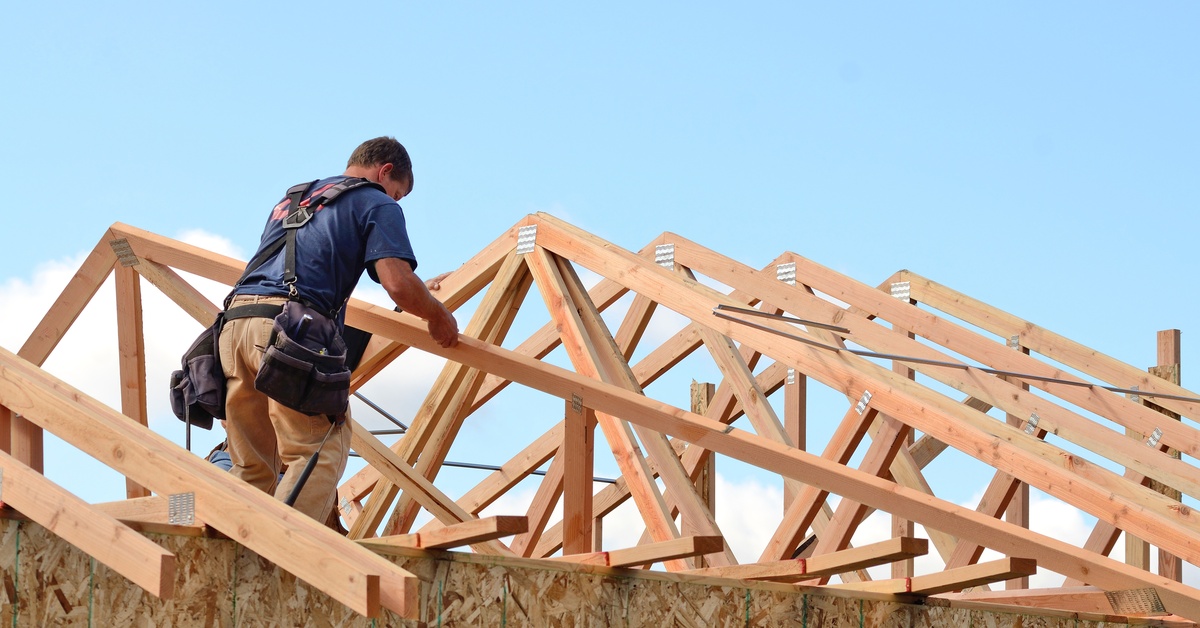
Establishing a Realistic Budget Framework
Financial planning forms the foundation upon which your entire residential project must stand firm and secure. You must account for land costs, construction fees, permits, and unexpected expenses that often arise. A detailed budget helps prevent financial strain and keeps the project within your comfortable spending limits.
Allocate funds for unforeseen issues, as construction projects rarely proceed without minor hiccups or surprise costs. It is wise to set aside at least ten percent of your total budget for contingencies. This buffer protects your finances and ensures that the project continues smoothly despite any unexpected challenges.
Selecting the Ideal Plot of Land
The location of your future residence determines its value, your daily commute, and your overall lifestyle. Research the neighborhood thoroughly to understand its growth potential, safety record, and proximity to essential amenities. Your choice of land impacts the design possibilities and the eventual resale value of the property.
Consider the topography and soil condition of the lot before you finalize the purchase agreement. Steep slopes or poor soil quality can significantly increase foundation costs and limit your design options. A professional survey reveals potential issues that could complicate the construction process or inflate your budget.
Choosing the Right Architectural Style
Your home’s design should reflect your personal taste while complementing the surrounding environment and neighborhood aesthetic. Browse architectural magazines and websites to gather inspiration and identify styles that resonate with your vision. A well-chosen style enhances curb appeal and ensures that your home remains timeless and attractive.
Functionality must accompany aesthetics, so consider how the layout will serve your daily needs and routines. Open floor plans encourage social interaction, while compartmentalized designs offer privacy and distinct zones for different activities. Balance your desire for beauty with the practical requirements of your family’s lifestyle and habits.
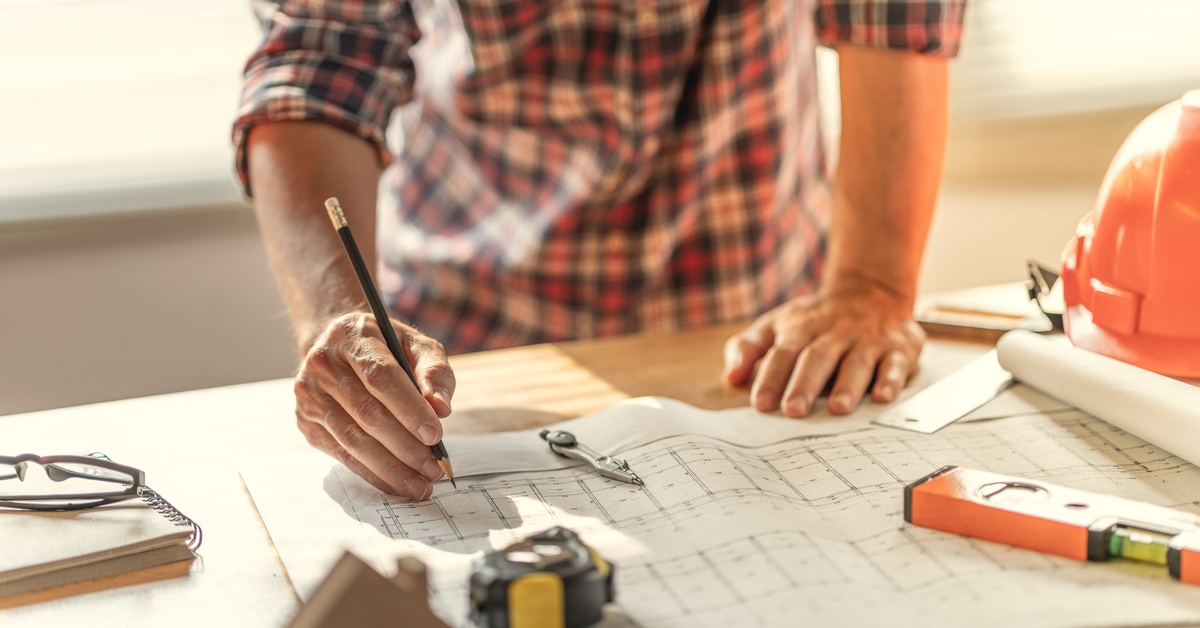
Hiring a Qualified Construction Team
The expertise of your builders directly influences the quality and durability of your finished custom home. Research potential candidates extensively, check their references, and visit their previous projects to assess their workmanship. Working with a professional custom home building company is the best way to ensure positive results in the established timeframe.
Clear communication with your contractor prevents misunderstandings and keeps the project on schedule and within budget. Establish regular meetings to discuss progress, address concerns, and make necessary adjustments to the construction plan. A collaborative relationship fosters trust and leads to a smoother, more enjoyable home-building experience.
Navigating Zoning Laws and Permits
Local regulations dictate what you can build, where you can build it, and how tall. Familiarize yourself with zoning laws to avoid legal complications that could halt your project or require changes. Compliance with these rules is mandatory and ensures that your home meets safety and community standards.
Obtain all necessary permits before construction begins to prevent fines and delays from local government authorities. Your contractor should handle the paperwork, but you must remain informed about the approval status. This proactive approach minimizes administrative headaches and keeps your project moving forward without unnecessary legal interruptions.
Designing for Energy Efficiency
Modern homes should prioritize sustainability to reduce environmental impact and lower long-term utility costs for owners. Incorporate high-quality insulation, energy-efficient windows, and advanced HVAC systems to maintain comfort and conserve valuable resources. To achieve reduced energy bills and increased property market value, follow these instructions:
- Install smart thermostats to regulate temperature automatically.
- Use LED lighting fixtures throughout the entire house.
- Select appliances with high energy-star ratings.
- Choose sustainable materials for floors and countertops.
- Orient the house to maximize natural light exposure.
Planning for Future Needs
Life changes over time, so your home should adapt to potential shifts in your family structure. Consider incorporating universal design principles that accommodate aging family members or those with limited physical mobility. A flexible layout ensures that your home remains functional and comfortable through all stages of life.
Think about potential resale value, even if you plan to live in the home forever. Avoid overly niche customizations that might deter future buyers if you ever decide to sell the property. A balanced approach protects your investment while still allowing for personal touches that make it yours.
Selecting High-Quality Materials
The materials you choose determine the longevity, maintenance requirements, and overall look of your custom home. One of the most important factors to consider when building a custom home is to invest in durable products for high-traffic areas like floors and countertops to withstand daily wear. Quality materials reduce the need for frequent repairs and maintain the home’s appearance for many years.
Balance cost with quality, as the most expensive option is not always the best choice available. Research the lifespan and maintenance needs of each material to make informed decisions for your project. Smart material selection enhances the value of your home and provides peace of mind for you.
Managing the Construction Timeline
Delays are common in construction, but a well-structured schedule helps keep the project on the right track. Define clear milestones and deadlines for each phase of the build to monitor progress effectively. Regular updates from your contractor allow you to address issues promptly and adjust expectations as needed.
Be prepared for weather-related delays or material shortages that are beyond the control of your team. Flexibility is essential, but maintain pressure on the contractor to meet agreed-upon deadlines whenever possible. A proactive management style ensures that the project reaches completion without excessive or unnecessary time overruns.
Building a custom home is a monumental undertaking that rewards patience, planning, and precise execution. It requires you to balance your creative vision with practical constraints like budget, time, and regulations. By carefully considering factors such as location, design, materials, and the team you hire, you set the stage for a successful project.
The journey from a vacant lot to a finished residence has multiple challenges, but the result is a space that is uniquely yours. With the right approach, you create not just a house, but a sanctuary that enhances your life for years to come.